
Same-Day Boiler Repair Across Elgin, IL — Old Town and Watch Factory District Experts
Elgin has more boiler-heated homes than nearly any other NW suburb because of its older housing stock. Eco Temp HVAC provides 24/7 emergency boiler repair across Elgin including Old Town Elgin, the Watch Factory district, the Fox River corridor, and pre-1940 homes throughout the city. Our NATE-certified technicians service every boiler type — original cast-iron systems still in service from the 1920s, mid-century steel boilers, and modern high-efficiency condensing combi boilers including Navien, Weil-McLain, Burnham, and Lochinvar. Call (224) 253-8131 for emergency response.

Schedule Boiler Repair in Elgin Today
A boiler failure in an Elgin winter is a genuine emergency — homes can drop to dangerous temperatures within hours and frozen-pipe damage can cost tens of thousands of dollars. Eco Temp HVAC dispatches Elgin boiler emergencies 24/7 with no premium charges for nights, weekends, or holidays.
Three ways to schedule:
- Emergency dispatch: (224) 253-8131 — staffed with real people, not voicemail, 30-60 minute typical response from our St. Charles and Bartlett service hubs
- Book non-emergency service: book online for routine boiler tune-ups, annual maintenance, or scheduled repairs
- Text the dispatch number with a photo of your boiler nameplate or error code display for faster diagnosis
What to have ready when you call:
- Boiler brand and model (printed on the nameplate, usually on the front or side panel)
- Boiler type — cast-iron, steel sectional, condensing combi, steam, or unknown
- Approximate age of the boiler if known
- Specific symptoms — no heat, cold radiators, banging/kettling noises, water leaks, pressure issues, error codes
- Whether you have a service contract or maintenance plan with us
Safety first if you suspect a serious issue: If your carbon monoxide detector is alarming, evacuate immediately and call 911 from outside the home. If you smell gas, leave the home and call your gas utility (Nicor Gas at 1-888-642-6748) from outside. For water leaks creating a flooding risk, shut off the cold water supply to the boiler if accessible. Then call us.
What you can expect: Diagnostic service includes combustion analysis with CO measurement, visual heat exchanger inspection, and complete system performance check. Written estimate before any work. Most repairs completed during the same visit using stocked truck parts. Lifetime Repair Guarantee on the component repaired.
Illinois License TGC119983, BBB A+ rated, NATE-certified, EPA 608-licensed.
Frequently Asked Questions About Boiler Repair in Elgin, IL
Common questions Elgin homeowners ask about boiler diagnostic issues, repair costs, older cast-iron systems in Old Town Elgin and the Watch Factory district, kettling, pressure, carbon monoxide safety, and annual maintenance.
This is one of the most common boiler service calls in Elgin and usually has one of five causes. Air trapped in the system is the most common — air collects at the high points of the system and blocks water flow, fixable by bleeding the radiators with a bleed key. Failed circulator pump (typically Taco or Grundfos) means hot water can't move through the system even though the boiler is firing. Failed or closed zone valve stops heat to specific areas — common in multi-zone Elgin homes. Low system pressure (below 12 psi cold) starves the pump of water to move. Failed aquastat or boiler control tells the boiler to fire without telling the pump to circulate. We diagnose the specific cause during the service call and most repairs are completed the same visit using stocked truck parts.
A typical Elgin hot water boiler system should read 12-15 psi when cold and 18-25 psi when hot (after the system has been running). Pressure below 12 psi cold usually indicates a failed pressure-reducing valve (PRV) that's no longer filling the system, or a leak somewhere in the system that's letting water out. Pressure above 30 psi hot usually indicates a failed expansion tank — when the air bladder in the expansion tank fails, the system has nowhere to absorb the natural thermal expansion of heated water, so pressure climbs dangerously high. Most residential boilers have a pressure relief valve set to open at 30 psi to prevent damage. If your boiler is dripping or discharging water from the relief valve, the expansion tank is the most likely culprit. Steam boilers operate at much lower pressure (typically 0.5-2 psi) and have completely different troubleshooting.
Yes. Cast-iron boilers — the heart of many original Old Town Elgin and Watch Factory district heating systems — are extremely durable and many are still operational after 80+ years with proper maintenance. The cast-iron sections themselves rarely fail; what typically fails are the burner assemblies, gas valves, controls, circulator pumps, and pilot/ignition systems — all of which are repairable or replaceable without replacing the boiler itself. We service original cast-iron boilers from Burnham, Weil-McLain, American Standard (old), Crown, Slant/Fin, and other heritage manufacturers. We can also perform conversions from oil to gas, modernize the burner and controls while keeping the original cast-iron heat exchanger, and convert from gravity-fed to pumped circulation. The decision to repair vs. replace an old cast-iron boiler often comes down to fuel cost — modern 95% AFUE condensing boilers can be 25-35% more efficient, which on an Elgin home with high gas usage can justify replacement over time.
Kettling is the sound your boiler makes when it sounds like a tea kettle whistling, boiling, or making banging/popping noises. It's caused by limescale and mineral buildup on the heat exchanger — Elgin's hard water deposits calcium and magnesium scale on the internal heat exchanger surfaces over time. The scale creates localized hotspots where water momentarily boils and creates steam pockets inside what should be a closed hot water system. Untreated kettling causes three problems: it dramatically reduces efficiency (scale insulates the heat exchanger from the water it's supposed to heat), it causes thermal stress and metal fatigue that can crack the heat exchanger over time, and it eventually triggers safety shutoffs. Solutions: chemical descaling (we use Fernox or Sentinel descaler products), system flush with hot water and cleaning chemicals, installation of a magnetic system filter (Fernox TF1 or similar) to capture iron sludge, and chemical inhibitor treatment to prevent future scale buildup. Most kettling is fully reversible if caught early.
Hot water boiler systems should be professionally flushed every 5-7 years on average. Elgin homes with particularly hard water, or older systems with significant sediment buildup, often need flushing every 3-5 years. Signs your system needs a flush sooner: kettling sounds, cold spots on radiators that previously heated evenly, dark or dirty fluid coming out when bleeding radiators, reduced overall heating efficiency, or a sudden spike in your Nicor Gas bill without other explanation. The full flush procedure involves draining the system, circulating cleaning chemicals through it, flushing with fresh water, refilling with treated water and corrosion inhibitor, and bleeding all air. Cost typically $400-$700. Steam boilers have completely different maintenance — low-water cutoffs need weekly draining during heating season and full system flush annually.
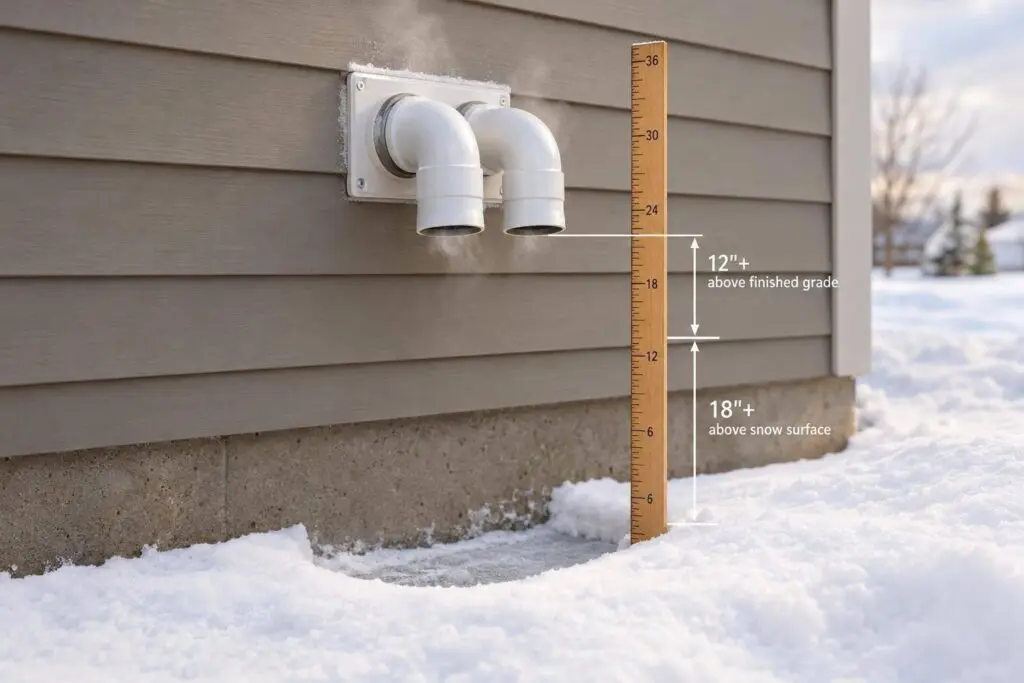
Yes, but Old Town Elgin homes have specific considerations. Navien combi boilers handle both space heating and domestic hot water in a single wall-mounted unit — eliminating your water heater and freeing up basement floor space. For Old Town homes the key considerations are: gas line capacity (combi boilers have higher peak firing rates than standalone boilers, and original 1920s gas service may need upgrading from the meter), venting (Navien units use sealed-combustion PVC direct-vent through an exterior wall or roof — historic homes may need creative venting paths to preserve architectural details), condensate drainage (condensing boilers produce acidic condensate that must be neutralized and drained), and electrical service (combi units need a dedicated 120V circuit). Typical installation: 1-2 days. Cost: $7,500-$15,000 including all required modifications. Many Old Town Elgin homeowners find combi installation pays back in 5-8 years through eliminated water heater costs plus 95%+ AFUE efficiency.
Carbon monoxide is a real concern with any combustion appliance, including older boilers. Risk factors that matter most: cracked heat exchanger (rare in cast-iron, more common in mid-century steel boilers), blocked or deteriorating chimney/flue (bird nests, deteriorating mortar, partial collapse — especially in older Elgin masonry chimneys), insufficient combustion air supply (modern tight homes often choke older boilers of the air they need), and deteriorating gas connections or pilot assemblies. Every Eco Temp HVAC boiler service includes combustion analysis (CO measurement at the flue using a calibrated analyzer), visual heat exchanger inspection, chimney/flue draft testing, and verification of combustion air supply. Every Elgin home with any gas appliance should have working low-level CO detectors on every floor (not just smoke detectors — they don't reliably detect CO until levels are already dangerous). If your CO detector ever alarms, leave the home immediately and call 911, then call us.
For no-heat boiler emergencies in Elgin, we typically dispatch a technician within 30-60 minutes from our St. Charles or Bartlett service hubs. Most boiler repairs are completed during the same visit because our service trucks stock the most common Elgin boiler repair parts: Taco and Grundfos circulator pumps in common sizes, Honeywell and Taco zone valves, common gas valves, thermocouples and pilots, expansion tanks, pressure-reducing valves, and aquastats. Repairs requiring special-order parts (manufacturer-specific control boards for newer Navien/Lochinvar units, specific high-output gas valves, or oddball replacement sections for older cast-iron units) typically complete within 24-72 hours. Importantly, we don't charge premium emergency rates for nights, weekends, or holidays — emergency boiler repair in Elgin costs the same as a scheduled service visit.
Yes — annual professional boiler maintenance is critical for both safety and efficiency, and is required by most manufacturer warranties on newer high-efficiency units. Our annual boiler service includes combustion analysis with CO measurement, visual heat exchanger inspection, burner cleaning and adjustment, zone valve operation testing, circulator pump testing, expansion tank pressure verification, pressure-reducing valve check, system pressure verification, controls and safety switch testing, chimney/flue draft testing, gas pressure verification, and complete system performance measurement. Skipping annual maintenance is the #1 cause of mid-winter boiler emergencies in Elgin, the #1 cause of premature heat exchanger failure, and the #1 cause of denied manufacturer warranty claims. Our HVAC maintenance plans include boiler service at a discount along with priority emergency scheduling.
Boiler lifespan varies significantly by type and maintenance: cast-iron boilers typically last 30-50+ years (and many original Old Town Elgin boilers are still in service after 80+ years with regular maintenance and proper water treatment). Steel sectional boilers typically last 15-30 years. High-efficiency condensing combi boilers (Navien, Lochinvar, modern Burnham Alpine) typically last 15-25 years. Lifespan depends heavily on three factors: water quality (Elgin's hard water is the #1 enemy of boiler longevity — homes with water softeners or magnetic system filters see significantly longer system life), regular maintenance (annual service can literally double boiler lifespan), and installation quality (improperly sized boilers short-cycle and wear out faster; improperly installed condensing boilers can have catastrophic condensate-related failures). If your boiler is approaching the upper end of its expected lifespan and starting to need major repairs, we'll always provide an honest repair-vs-replacement analysis with side-by-side cost comparison.