
Frequently Asked Questions About Air Duct Repair
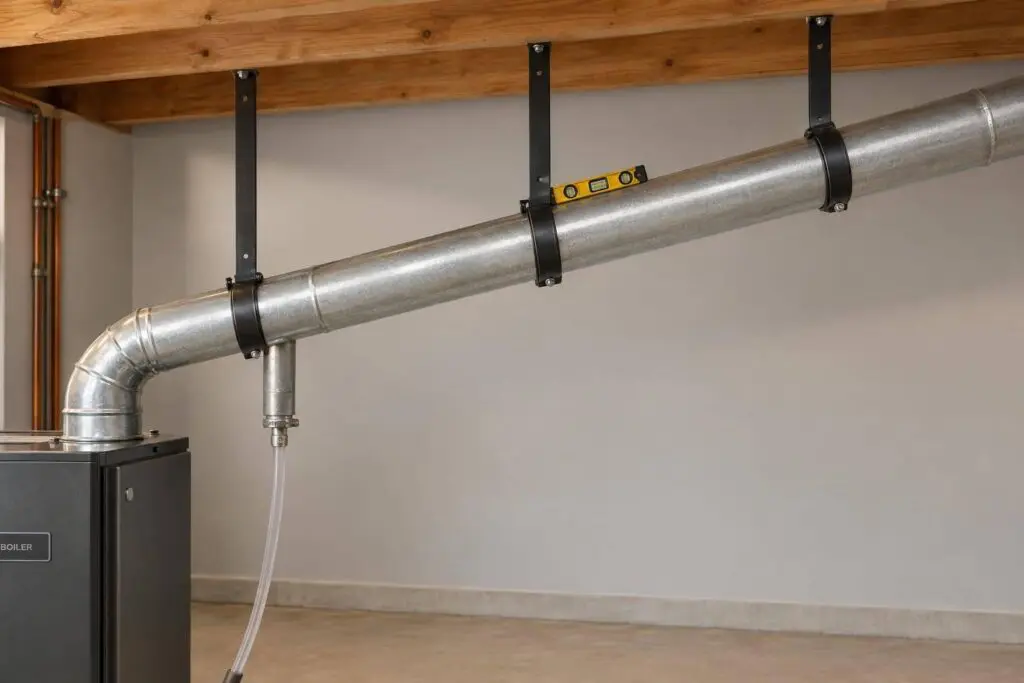
The tells: rooms that never reach temperature while others overshoot, weak airflow at specific registers, whistling or flapping sounds when the blower runs, visibly dusty air, and utility bills climbing without a rate change. In attics and basements, look for sagging flex runs, disconnected sections, and dried-out tape at joints — if you can see the problem, it's costing you money.
Minor repairs — reconnections, patches, replacing a flex section — typically run $150–$500. Multi-run or trunk-level repairs run $500–$2,000, and extensive replacement is quoted as a project. Every quote is written and itemized before work begins, and the inspection fee credits toward the repair.
Small punctures and disconnections in otherwise healthy flex duct are repairable. Crushed, kinked, rodent-damaged, or degraded flex is usually replaced — flex sections are inexpensive, and a compromised run restricts airflow even after patching. Your technician shows you the damaged section and prices both options.
Repair wins when damage is localized and the layout is sound. Replacement enters the conversation when ducts are undersized for the equipment, runs were badly designed, or corrosion is widespread — especially if you're also replacing the furnace or AC, since new equipment on failing ducts never delivers its rated performance.
Physical inspection of accessible runs first — most damage is visible once someone actually looks. For concealed problems, airflow measurement at the registers identifies which runs are underdelivering, narrowing the search before anything is opened up.