
When winter hits, your furnace works overtime to keep your home warm. Annual maintenance isn’t just helpful – it’s essential. Here’s why:
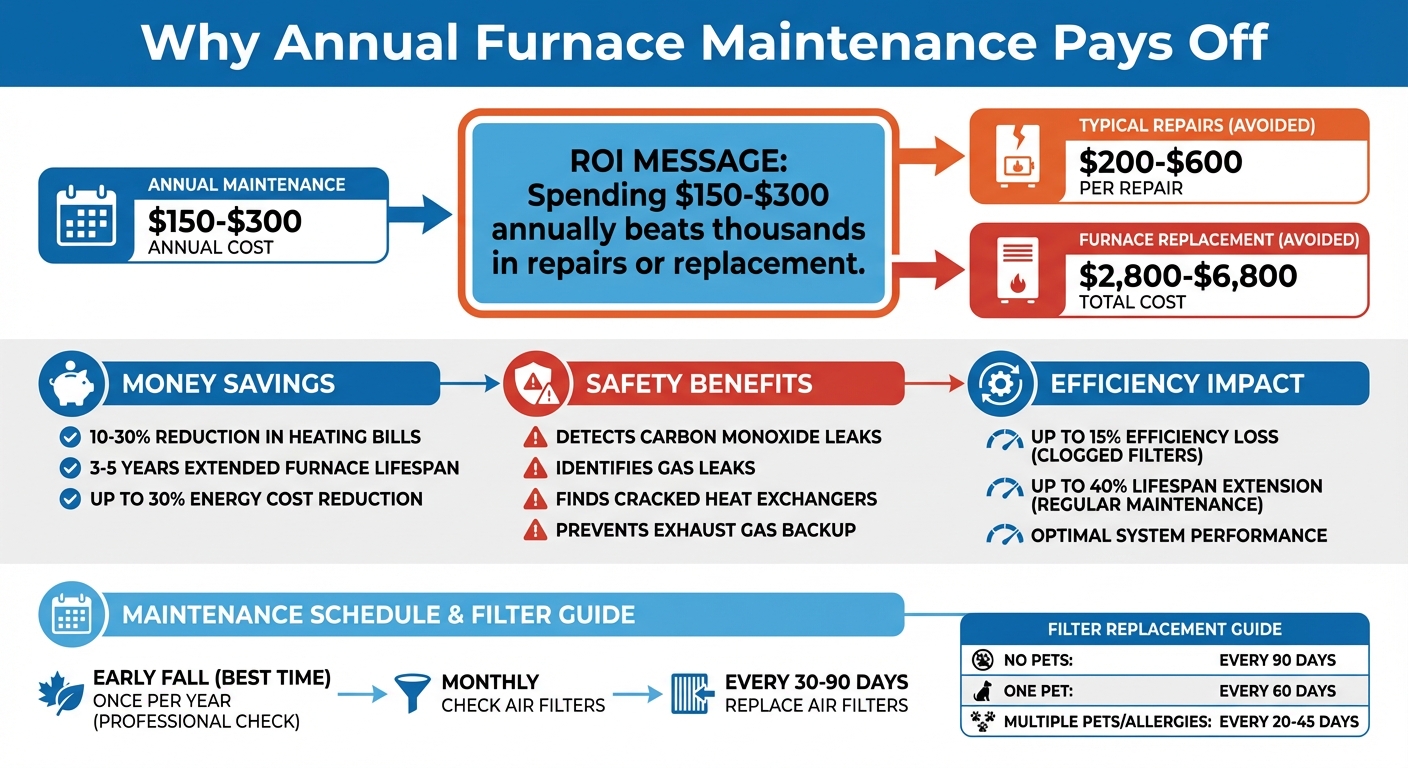
- Save Money: Maintenance can reduce heating bills by 10–30% and extend your furnace’s lifespan by 3–5 years. Spending $150–$300 annually on upkeep beats $200–$600 on repairs or thousands on replacements.
- Ensure Safety: Regular checks detect hazards like carbon monoxide leaks, gas leaks, or cracked heat exchangers.
- Maintain Efficiency: Clean systems use less energy, heat better, and avoid breakdowns.
Professional tune-ups include cleaning, safety checks, and performance optimizations. DIY tasks like replacing filters and keeping vents clear also help. Schedule service in early fall for the best results.
For Chicago winters, proactive care ensures your furnace handles the cold while keeping your home safe and costs down.
Annual Furnace Maintenance Cost Savings and Benefits
Gas Furnace Maintenance: Walkthrough & Tips
Why Annual Furnace Maintenance Matters
Think of furnace maintenance like an oil change for your car – skipping it can lead to costly consequences. Beyond just keeping your home cozy, regular upkeep helps lower energy bills, improves safety, and extends the life of your furnace.
Lower Energy Bills Through Better Efficiency
A neglected furnace has to work harder, consuming more energy to provide the same level of heat. Over time, dirt, soot, and clogged filters can build up in burners and blower assemblies, leading to wasted energy and higher utility bills. A professional tune-up clears these obstructions, reducing the strain on your system and cutting down on energy waste .
Technicians also perform a combustion analysis, fine-tuning the fuel-to-air ratio to maximize heat output . They calibrate your thermostat and measure the "temperature rise" – the difference between the air coming into the furnace and the heated air going out – to ensure everything is running as efficiently as possible . These adjustments not only save money but also ensure steady, reliable heating during those harsh Chicago winters.
And the benefits don’t stop at efficiency. Regular maintenance also helps keep your home safe.
Safety and Hazard Prevention
Skipping furnace maintenance can lead to serious safety risks. Technicians thoroughly inspect the heat exchanger for cracks, holes, or rust – common culprits behind carbon monoxide leaks. They also check flue pipes for blockages that could cause exhaust gases to back up into your home.
"A cracked heat exchanger can leak carbon monoxide into your home." – Tom Moor, HVAC.com
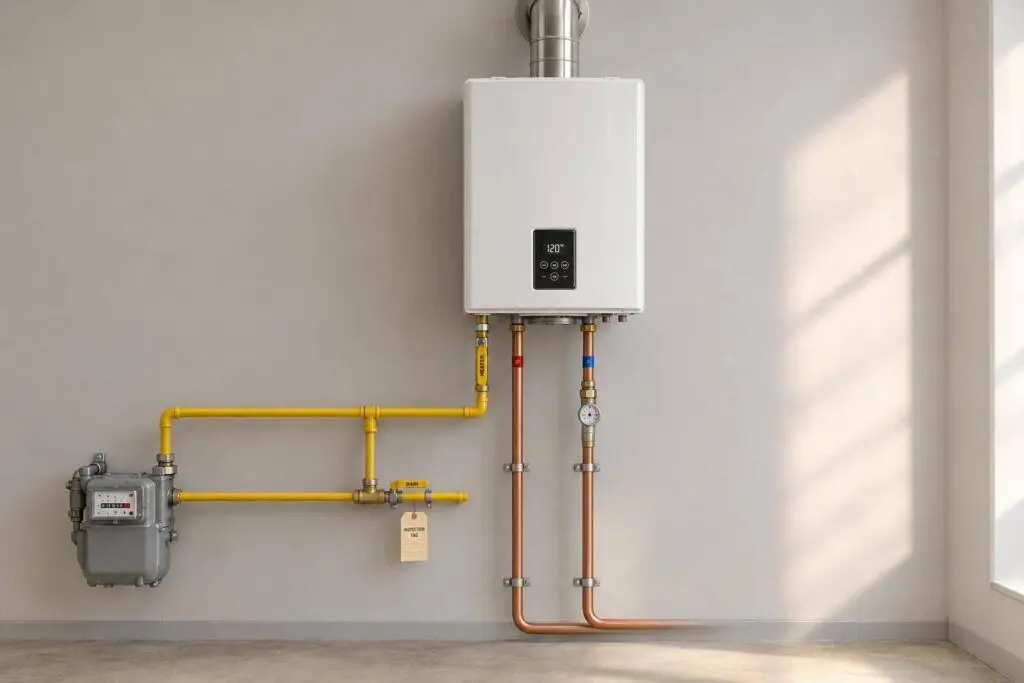
Gas lines are tested for leaks, which might present as a hissing sound or the distinct "rotten egg" odor. Safety controls like limit switches and flame sensors are also verified to ensure they’re functioning properly. Even something as simple as a clogged filter can cause the heat exchanger to overheat and crack, creating a serious hazard.
By addressing these risks, regular maintenance not only keeps your family safe but also helps your furnace last longer.
Longer Furnace Lifespan
Routine inspections catch worn-out components – like belts, igniters, and sensors – before they fail . Cleaning key parts such as the blower motor, burners, and heat exchanger reduces wear and tear, helping your system run smoothly for years . With proper care, a furnace can last anywhere from 15 to 30 years .
"Homeowners need to schedule yearly maintenance to check out the entire HVAC system to prevent breakdowns and ensure that the furnace will last its full life expectancy." – Andrew Mackey, Owner, Superior Service
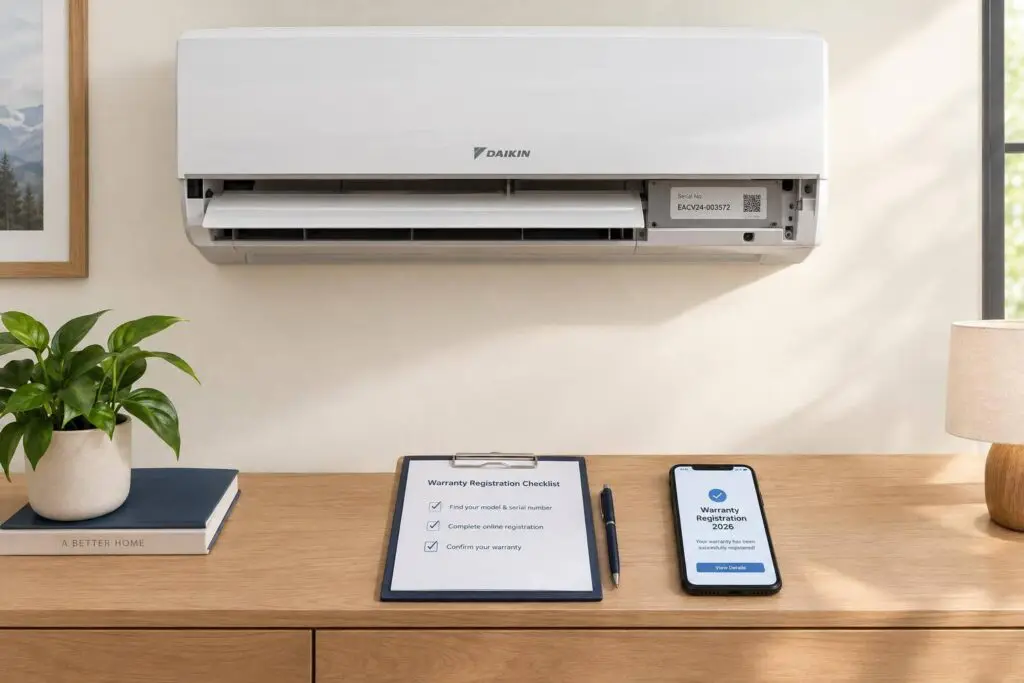
Additionally, many manufacturers require annual professional maintenance to keep warranties valid . Considering that furnace repairs typically cost between $130 and $600, and replacements range from $2,800 to $6,800, spending $150 to $300 on yearly maintenance is a smart investment.
For homeowners in the Chicagoland area, professional furnace care is a must. The certified experts at Eco Temp HVAC (https://ecotemphvac.com) are ready to keep your system running safely, efficiently, and reliably – protecting both your home and your budget.
What Professional Furnace Maintenance Includes
Annual furnace maintenance offers numerous benefits, but what exactly does a professional tune-up involve? Certified technicians conduct a thorough inspection to ensure your furnace operates safely and efficiently.
Component Inspection and Cleaning
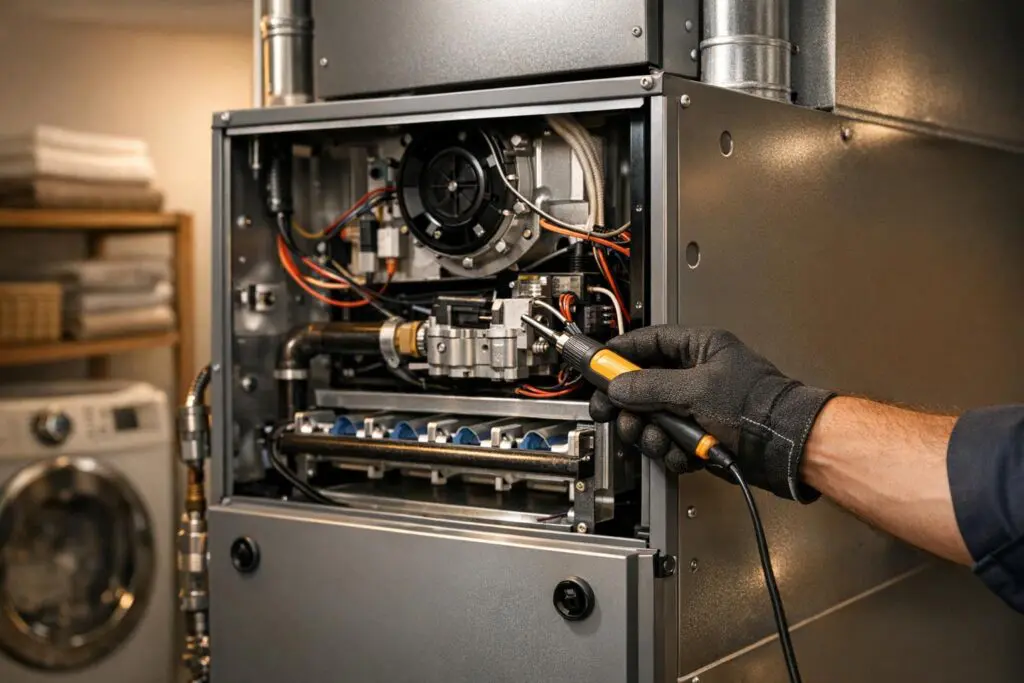
The process begins with a detailed visual inspection of the heat exchanger to identify cracks, holes, soot buildup, or corrosion – issues that could lead to dangerous carbon monoxide leaks. Technicians clean the blower motor and fan blades to improve airflow, check all combustion components for proper operation, and lubricate moving parts to minimize friction and reduce energy consumption. Wiring is inspected for heat damage, drains are cleared to prevent clogs, and panels are secured to enhance efficiency. Skipping these steps can result in up to a 15% drop in efficiency. Additionally, all safety mechanisms are tested to ensure they function as designed.
Safety System Testing
Safety checks are performed using specialized tools and protocols. Technicians use sensors to detect gas leaks in fuel lines and measure manifold gas pressure, ensuring it stays within the ideal range of 3.2 WC to 3.7 WC. Deviations from this range can shorten the furnace’s lifespan or lead to incomplete combustion. Safety controls and limit switches are tested to confirm that they will shut off the gas supply if overheating occurs or if flames appear outside the burner chamber. Once physical inspections are complete, technicians adjust system settings to improve overall performance.
Performance Optimization
The final step focuses on fine-tuning the system for peak efficiency. Technicians calibrate the thermostat to ensure accurate temperature control and conduct a combustion analysis to optimize the air-fuel mixture for maximum heat output with minimal emissions. They also measure the temperature rise by comparing readings from the return and supply air ducts, verifying that the furnace meets the manufacturer’s specifications.
"Annual maintenance allows HVAC professionals to clean and fine-tune your furnace’s components, optimizing its overall performance and energy consumption." – Eck Services
For homeowners in the Chicagoland area, Eco Temp HVAC offers expert services backed by certifications like Mitsubishi Diamond Elite Contractor and American Standard Customer Care Dealer. Their technicians use advanced equipment to perform precise combustion analysis and system adjustments, ensuring your furnace runs at its best all winter long.
DIY Furnace Maintenance Tasks
While professional tune-ups are crucial, there are plenty of simple steps homeowners can take to keep their furnace running efficiently between annual service visits. These tasks not only help prevent costly repairs but also ensure your system operates at its best.
"Regular furnace maintenance isn’t just a task for the pros – there’s plenty homeowners can do to keep their systems running smoothly and efficiently." – Tom Moor, HVAC Expert, HVAC.com
Before starting any maintenance, make sure to turn off your furnace’s power at the breaker. Safety first!
Replacing and Checking Air Filters
Air filters are your furnace’s first line of defense against dust and allergens. To keep things running smoothly, check your filter monthly and replace it every 30–90 days, depending on your household’s needs. Here’s a quick guide:
- No pets: Replace every 90 days.
- One pet: Replace every 60 days.
- Multiple pets or allergy sufferers: Replace every 20–45 days.
A clogged filter forces your furnace to work harder, which can increase energy bills by up to 15% and even damage the heat exchanger, potentially causing dangerous carbon monoxide leaks. When installing a new filter, make sure the arrows on the filter point toward the furnace. For permanent filters, clean them with a shop vac, rinse with water, and let them dry completely before reinserting.
| Household Condition | Recommended Filter Change Frequency |
|---|---|
| No pets | Every 90 days |
| One pet | Every 60 days |
| Multiple pets or allergy sufferers | Every 20–45 days |
Keeping Vents and Registers Clear
Blocked vents can make your furnace work overtime, leading to uneven temperatures and wasted energy. Walk through your home and ensure that furniture, rugs, or curtains aren’t covering supply vents or return registers. Use a vacuum with a brush attachment to clean vent openings monthly. If vent covers are stuck or broken, replace them to maintain proper airflow.
Don’t overlook outdoor vents. Check exhaust pipes and chimneys regularly to ensure they’re free of snow, ice, vegetation, or animal nests. In snowy areas, outdoor vents should be at least 12 inches above the expected snow level. Additionally, keep at least three feet of clearance around your furnace and avoid storing flammable items like paint or cleaning supplies nearby.
Thermostat Checks and Calibration
Your thermostat plays a key role in managing your home’s comfort and energy efficiency. Replace its batteries once a year, ideally at the start of the heating season, and double-check that the programmed schedule, date, and time are correct.
To verify thermostat accuracy, tape a portable thermometer to the wall next to it and wait a few minutes. If the readings differ by more than one degree, it may be time for professional recalibration. When leaving for vacation, set your thermostat to at least 55°F to prevent frozen pipes.
While you’re checking your thermostat, test your smoke and carbon monoxide detectors monthly. Replace their batteries every six months and note that these devices typically need to be replaced entirely every 5 to 10 years. Keeping these detectors in good working order is essential for your safety.
sbb-itb-b5c10b1
Warning Signs Your Furnace Needs Repair
Even with regular DIY maintenance, there are times when your furnace will require professional attention. Spotting these warning signs early can save you from costly emergency repairs or even a complete system failure.
Strange Noises or Poor Performance
Unusual sounds coming from your furnace often signal trouble. Banging or rattling noises might mean that parts or panels have come loose. Squealing could point to a worn-out blower belt or motor bearings that need lubrication. And if you hear hissing, it’s a serious red flag – this could indicate a gas leak that demands immediate professional help.
Performance issues are just as concerning as strange noises. For instance, if some rooms in your home stay cold while others overheat, or if your furnace keeps turning on and off (a problem known as short cycling), there could be airflow problems, a faulty thermostat, or tripped safety sensors. These signs shouldn’t be ignored and call for a professional inspection to avoid a complete system breakdown.
"If you notice any unusual signs from your furnace – such as inefficient heating or loud noises – acting quickly can mean the difference between a minor repair and a costly system breakdown." – Tom Moor, HVAC Expert, HVAC.com
Unexpected Increase in Energy Bills
A sudden spike in your energy bills might mean your furnace is working harder than it should. Problems like clogged filters or dirty components force the system to run longer, using more energy to maintain the desired temperature. Dust buildup on parts like the heat exchanger or burners can also lower efficiency, making you burn more fuel for less heat. Short cycling, often caused by airflow restrictions or thermostat problems, can further increase energy consumption. These signs not only affect your wallet but may also indicate deeper issues with your system.
Safety Detector Warnings or Visible Damage
Some furnace issues go beyond comfort and efficiency – they can pose serious safety risks. Warning signs to watch for include strange odors, changes in the burner flame, or visible damage to the unit.
- Rotten egg smell: This could mean a natural gas leak. If you detect this, evacuate your home immediately and contact your gas supplier from a safe location.
- Chemical odors: These may signal a cracked heat exchanger, which can lead to dangerous carbon monoxide leaks.
- Burner flame changes: A healthy burner flame should burn steady and blue. Yellow or orange flickering flames suggest incomplete combustion, which can produce carbon monoxide.
Other red flags include soot buildup around burners, rust or water streaks on the flue pipe, and cracks or leaks on the furnace itself. These issues require immediate attention from a professional technician.
| Warning Sign | What It Means | Urgency |
|---|---|---|
| Rotten egg smell | Gas leak | Emergency – evacuate immediately |
| Yellow/orange flame | Incomplete combustion/CO risk | High – call technician now |
| Chemical smell | Cracked heat exchanger | High – serious safety risk |
| Banging/squealing | Loose parts or bad belt | Moderate – schedule repair soon |
| Frequent cycling | Clogged filter/airflow issue | Moderate – check filter first |
When to Schedule Furnace Maintenance
Regular maintenance is key to keeping your furnace safe, efficient, and long-lasting. By sticking to a well-thought-out schedule, you can avoid unexpected breakdowns during the coldest months and ensure your system operates at its best.
Pre-Winter Seasonal Maintenance
The best time for a furnace tune-up is early fall – before those chilly nights have you reaching for the thermostat. Scheduling your maintenance during this time allows technicians to identify and fix potential issues before winter sets in. Plus, early fall appointments often mean better availability and might even come with off-season discounts.
Here are a few tasks to handle before winter arrives:
- Clear at least three feet of space around your furnace, keeping it free from clutter and flammable items.
- Make sure vents and registers are open and unobstructed.
- If your furnace has a humidifier, switch it to its "winter" setting and replace the pad, if needed.
Annual Professional Service
A professional furnace inspection should happen at least once a year to maintain safety, performance, and warranty coverage. Many manufacturers require proof of annual service to keep the warranty valid. If fall isn’t convenient, spring can also be a good time to address wear and tear from the winter and prepare for the next heating season.
Professional tune-ups typically cost between $60 and $200, while more comprehensive annual service plans range from $150 to $500. These services not only help catch potential issues early but also ensure your system runs efficiently when you need it most.
Monthly and Quarterly Homeowner Checks
Between professional tune-ups, a little DIY maintenance goes a long way. During the heating season, inspect your air filter every 30 days. Homes with no pets can usually replace filters every 90 days, while homes with one pet should do so every 60 days. If you have multiple pets or allergy concerns, aim to replace filters every 30–45 days.
Here’s a simple routine to follow:
- Monthly: Check your air filter and make sure all vents are clear of obstructions.
- Quarterly: Replace your air filter and vacuum dust from vent covers and registers.
These small efforts can make a big difference. Regular maintenance can extend your furnace’s lifespan by up to 40% and cut energy costs by as much as 30%.
Conclusion and Next Steps
Keeping up with annual furnace maintenance is a smart way to protect your investment, keep your family safe, and cut down on energy bills. Regular tune-ups can lower heating costs by 10–30%, add 3–5 years to your furnace’s lifespan, and help prevent serious issues like carbon monoxide leaks. While routine maintenance typically costs between $150 and $300, repairs can run anywhere from $200 to $600, making preventive care a cost-effective choice.
In short, regular maintenance not only saves you money but also ensures your home stays safe and comfortable. The best time to schedule your furnace service is early fall, well before the heating season kicks in. This way, your system is ready to tackle winter, and you can avoid the busy season when technicians are in high demand. Between professional visits, simple DIY checks can help maintain your system’s efficiency.
For homeowners in the Chicagoland area, Eco Temp HVAC provides dependable furnace maintenance services. Their Eco Home Program offers a hassle-free solution with automatic seasonal scheduling, priority service, and discounts on repairs – so you’ll never miss an annual tune-up.
Ready to get started? Call Eco Temp HVAC at 253-8131 or visit ecotemphvac.com to book your service online. With certified technicians available 24/7 and coverage across Chicagoland – including Chicago, St. Charles, Bartlett, Lemont, Downers Grove, and Palatine – you can count on fast, reliable support whenever you need it.
FAQs
How often should I have my furnace professionally serviced?
You should plan for professional furnace maintenance once a year, preferably in the fall before the weather turns cold and you begin using your heating system regularly. This yearly check-up keeps your furnace running efficiently, helps it last longer, and minimizes the chance of inconvenient breakdowns during the chilly months.
In addition to these benefits, routine maintenance can enhance your indoor air quality and ensure your system operates safely, giving you confidence and comfort all season long.
What happens if I skip annual furnace maintenance?
Skipping your yearly furnace maintenance can create a host of problems – some of them downright dangerous. Without a professional inspection, issues like gas leaks, carbon monoxide emissions, or electrical malfunctions might slip under the radar, putting your home and family at serious risk. On top of that, a neglected furnace has to work harder than it should. This not only drives up your energy bills but also puts unnecessary wear and tear on critical components like the heat exchanger and blower motor.
Ignoring maintenance can also leave you unprepared for the coldest days of winter. A sudden breakdown could mean costly emergency repairs – or worse, the need to replace your furnace altogether. Over time, dust and debris can accumulate, lowering indoor air quality and potentially making allergies or respiratory problems worse. Scheduling regular maintenance helps ensure your furnace runs safely, efficiently, and dependably all winter long.
What furnace maintenance tasks can I safely do myself?
Keeping your furnace in good shape between professional tune-ups doesn’t have to be complicated. There are a few simple tasks you can tackle yourself to help it run smoothly. Start with replacing or cleaning the air filter – usually every 1–3 months, depending on how often you use your system. Next, make sure to clean the supply vents and return ducts to prevent blockages. Don’t forget to check your thermostat settings and replace the batteries if needed. Lastly, keep the area around your furnace clear of dust, debris, and anything flammable to avoid safety hazards.
If you have a gas furnace, take a moment to ensure the gas valve is open, the pilot light is on, and the power switch is engaged. It’s also worth checking that the circuit breaker hasn’t tripped.
That said, some maintenance tasks are best left to the pros. Cleaning burners, inspecting the heat exchanger, or diagnosing strange noises can be risky without proper training. Mishandling these could lead to safety issues like carbon monoxide leaks or even void your warranty. To keep everything running safely and efficiently, consider scheduling an annual inspection with experts like Eco Temp HVAC. They’ll handle the trickier jobs so you don’t have to.