
Maximize Your Home’s Warmth with a Heating Efficiency Planner
Winter can be brutal, not just on your comfort but also on your wallet. If you’ve ever wondered why your heating bills keep climbing, it might be time to take a closer look at how your home retains—or loses—heat. A tool designed to assess energy use can be a game-changer, helping you pinpoint where your money’s going and how to keep more of it.
Why Heating Costs Matter
The average household spends a significant chunk on staying warm during colder months. Factors like the size of your space, the type of fuel you use, and even how well your walls hold in heat play a huge role. For instance, a poorly insulated home could be costing you 20% more than necessary, while harsh winters push that number even higher. By evaluating these elements, you can uncover practical ways to cut expenses without sacrificing comfort.
Simple Steps to Save
Beyond big upgrades, small tweaks can make a difference. Think about sealing up leaks or adjusting your thermostat settings. With a clear plan for home warmth optimization, you’re not just guessing—you’re making informed choices for a more efficient, budget-friendly season.
FAQs
How accurate are the heating cost estimates?
Our estimates are based on general data for fuel costs, insulation impacts, and temperature adjustments. They’re meant to give you a rough idea of your annual expenses and potential savings. Keep in mind, actual costs can vary depending on your specific utility rates, home layout, and usage habits. Think of this as a starting point to explore efficiency options!
What can I do to lower my heating bills right away?
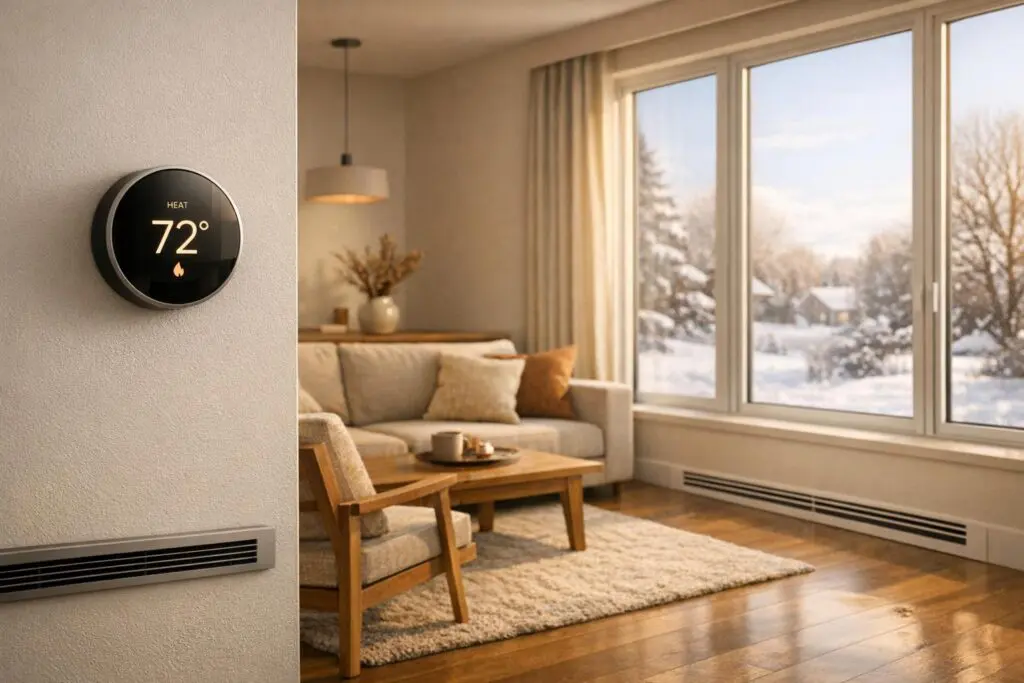
There are some quick wins you can try! Start by sealing drafts around windows and doors with weatherstripping or caulk—those little gaps let out a lot of heat. Lower your thermostat a few degrees when you’re not home or while sleeping, and use a programmable one if possible. Also, make sure your vents and radiators aren’t blocked by furniture. Small changes like these can add up to noticeable savings.
Is upgrading my heating system worth the cost?
It depends on your current setup and budget, but often, yes, it can be a smart move. Older systems, especially furnaces or boilers over 15 years old, tend to be far less efficient than modern options like heat pumps. Our tool assumes a 15% savings with an upgrade, but you might see more if your system is outdated. Factor in upfront costs versus long-term savings, and consider local rebates for energy-efficient equipment. It’s a big decision, so weigh your options!