
Skipping HVAC maintenance costs you more than you think. Regular tune-ups can lower energy bills by up to 30%, extend your system’s life by up to 40%, and prevent expensive repairs. For Chicago’s extreme climate, where HVAC systems work overtime, maintenance is essential to avoid breakdowns and unexpected expenses.
Here’s what you gain with regular maintenance:
- Lower Energy Bills: A clean, tuned system uses 15–25% less energy.
- Fewer Repairs: Regular care reduces breakdown risks by 95%.
- Longer Equipment Life: Maintained systems last 15–20 years vs. 10–12 years.
- Cost Savings: Avoid $3,000–$12,000 replacements with routine upkeep.
Neglecting small issues like clogged filters or refrigerant leaks leads to higher energy use and costly failures. Simple steps like replacing filters monthly and scheduling seasonal checkups can save you thousands over time. For Chicago homeowners, maintenance plans offer convenience, priority service, and predictable costs.
Don’t wait for a breakdown – start maintaining your HVAC system today.
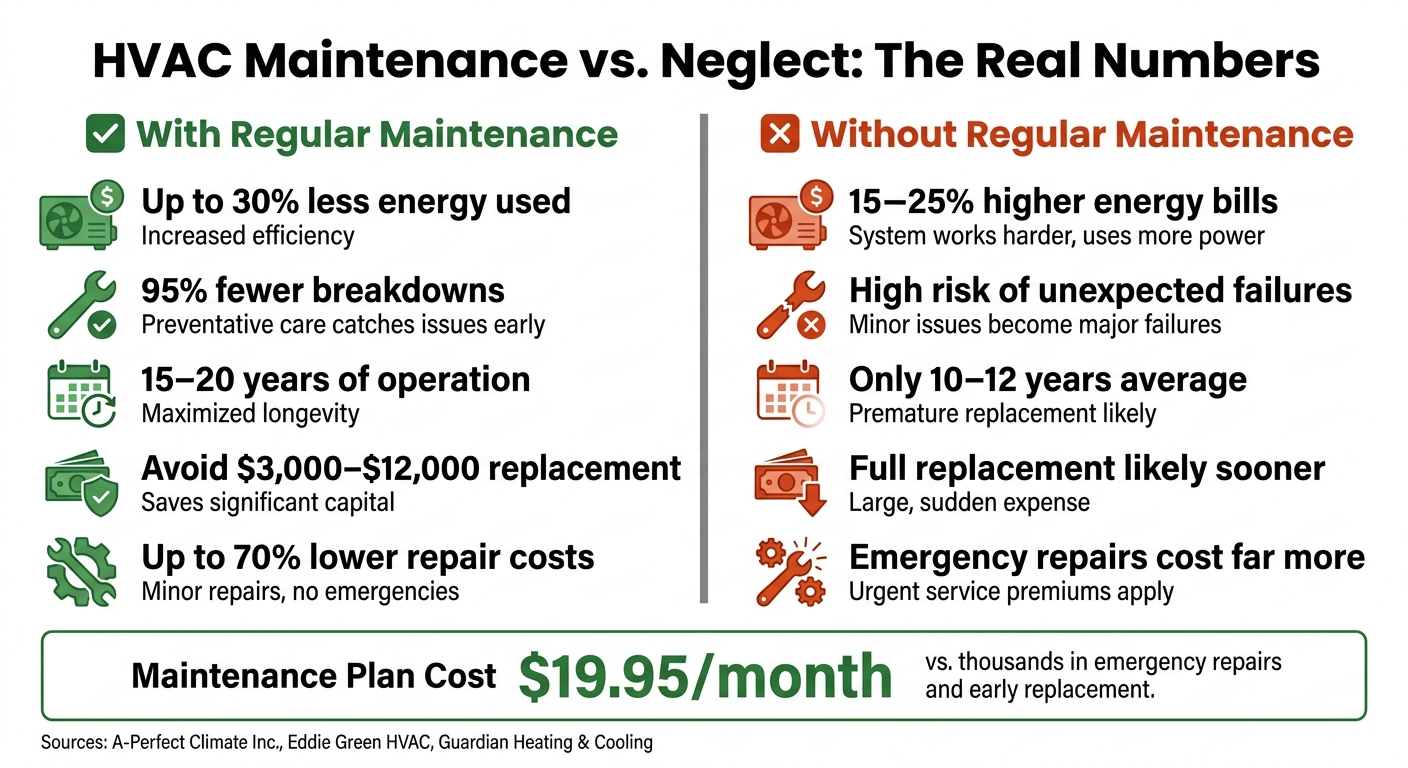
HVAC Maintenance vs. Neglect: Cost & Lifespan Comparison
How to Maintain Your HVAC System & Save Money (Easy DIY Guide)
The Real Cost of Skipping HVAC Maintenance
Preventative HVAC maintenance does more than just trim down energy bills – it helps you avoid costly repairs and discomfort in the long run. While skipping maintenance might seem like a way to save money upfront, the expenses can quickly pile up, especially in a place like Chicagoland. With its freezing winters and sweltering summers, your HVAC system works overtime, and neglecting it can lead to serious financial and comfort-related issues.
How Dirty Filters and Clogged Coils Increase Energy Bills
When filters are clogged or coils are coated with dirt, your HVAC system has to work harder to move air. This extra strain drives up energy usage, which directly translates to higher utility bills.
"A clogged air filter forces your furnace or air conditioning system to work significantly harder to push air through restricted pathways." – Guardian Heating & Cooling
A simple fix like replacing a filter or scheduling a professional cleaning can prevent this unnecessary energy drain. But ignoring these small tasks doesn’t just hurt efficiency – it sets the stage for larger, more expensive problems down the road.
How Small Problems Lead to Big Repairs
Minor issues, such as a refrigerant leak or a worn-out belt, might not seem urgent at first. However, left unchecked, they can escalate into major failures like a burnt-out blower motor or a cracked heat exchanger. These repairs can cost significantly more than routine maintenance.
"Most homeowners do not realize that the majority of costly HVAC repair situations stem from neglected routine maintenance." – Guardian Heating & Cooling
In fact, systems that receive regular professional care are 95% less likely to experience breakdowns compared to those that are neglected. Skipping maintenance doesn’t just increase repair costs – it also risks leaving you without heating or cooling when you need it most.
The Comfort Risks of HVAC Failures
An HVAC system failure during extreme weather isn’t just inconvenient – it can be dangerous. In Chicago winters, where temperatures often dip below 0°F, a broken heater can leave you shivering and potentially at risk for health and safety issues. And during the summer, a malfunctioning air conditioner can make your home unbearably hot.
How Regular Maintenance Cuts HVAC Costs
Routine maintenance is a smart way to avoid high energy bills, surprise repairs, and early system breakdowns – all while keeping costs far lower than major repairs.
Energy Savings from a Well-Maintained System
When your HVAC system is clean and properly tuned – think fresh filters, clean coils, and a calibrated thermostat – it uses up to 30% less energy, which means lower monthly bills. Over a Chicago winter, where furnaces often run nonstop, those savings can pile up quickly.
"Keeping up with your HVAC system can really cut down your energy bills. Systems that are cleaned and fine-tuned use less energy than neglected ones." – Eddie Green, HVAC Expert
And it’s not just about energy savings. Regular maintenance also keeps small issues from snowballing into bigger, costlier problems.
Catching Small Issues Before They Become Costly Repairs
During routine checkups, technicians can spot and fix minor problems like loose electrical connections, low refrigerant levels, or early signs of wear on components. These are simple and inexpensive to address. Ignoring them, however, can lead to bigger malfunctions that require costly repairs.
"Regular service appointments catch minor issues before they escalate into major repairs, keeping your system running efficiently throughout the harsh Illinois seasons." – A-Perfect Climate Inc.
By resolving these minor issues early, you not only avoid expensive fixes but also extend the life of your HVAC system.
How Maintenance Extends the Life of Your HVAC System
Consistent upkeep reduces wear and tear on critical components like motors, belts, and coils. This can significantly extend the lifespan of your system. A properly maintained HVAC setup can last 40% longer, stretching its operational life from the standard 10–12 years to as much as 15–20 years.
Considering that replacing a furnace costs between $3,000 and $7,500, and central air conditioning replacements range from $4,000 to $12,000, those extra years of reliable performance can mean big savings.
"Regular maintenance represents the foundation of responsible HVAC ownership, protecting your investment while ensuring consistent comfort and safety for your family throughout every season." – A-Perfect Climate Inc.
For homeowners and businesses in the Chicago area, where HVAC systems face heavy use year-round, this proactive approach can make a big difference. Companies like Eco Temp HVAC offer maintenance plans that help clients in Chicago, Downers Grove, Palatine, and nearby areas keep their systems running smoothly, avoiding the steep costs of early replacements.
sbb-itb-b5c10b1
Key HVAC Maintenance Tasks That Save Money
Taking care of your HVAC system isn’t just about comfort – it’s also a smart way to save money. Some tasks are best left to professionals, while others are simple enough to do on your own. Together, these steps can help your system run smoothly and efficiently throughout the year, keeping energy bills and repair costs in check.
Maintenance Tasks That Require a Certified Technician
Certain maintenance jobs demand professional expertise and tools. Attempting these tasks yourself could void warranties or lead to expensive mistakes.
Here’s what a professional tune-up typically includes:
- Coil cleaning: Dust and grime on evaporator and condenser coils make your system work harder than necessary. A deep cleaning can improve heat transfer efficiency and boost performance by as much as 30%.
- Refrigerant checks: Low refrigerant levels can strain the compressor, one of the most expensive parts to replace. Technicians ensure proper levels and check for leaks to maintain cooling efficiency.
- Electrical inspections: Testing and tightening connections, along with checking capacitors and sensors, helps prevent unexpected electrical issues.
- Combustion and safety analysis: For systems like furnaces and boilers, this involves inspecting heat exchangers for cracks, cleaning burners, and measuring carbon monoxide levels – key for both safety and fuel efficiency.
- Mechanical lubrication and drainage: Lubricating motors and clearing condensate drains reduces friction, prevents water damage, and extends the lifespan of moving parts.
"Routine HVAC care can lower energy bills by about 20% and cut repair costs by up to 70% compared to emergency fixes."
- Eddie Green HVAC
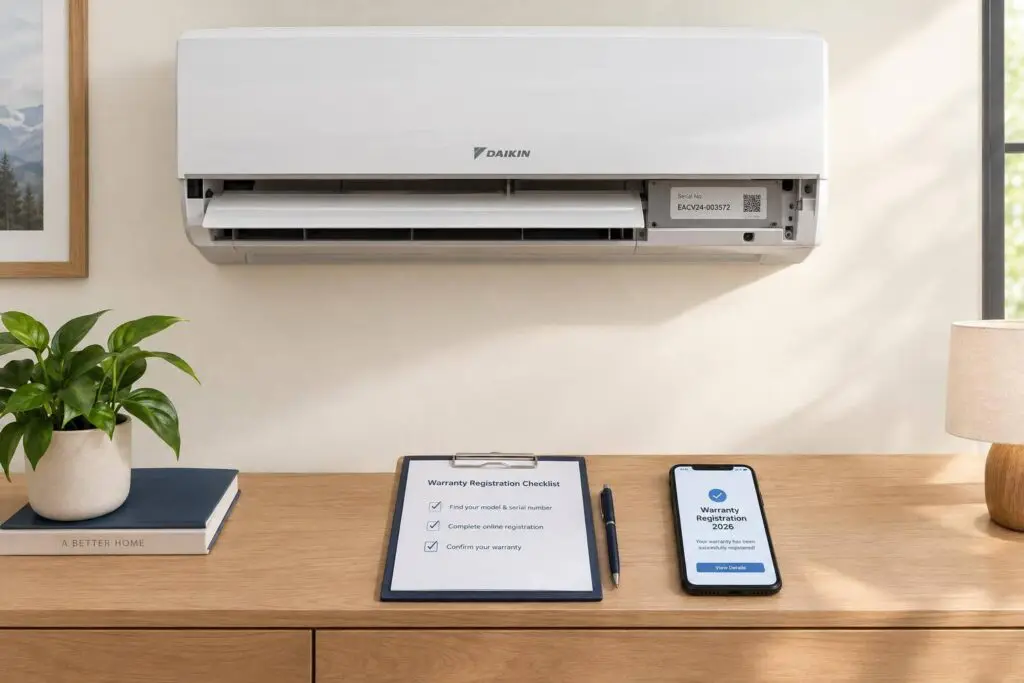
Many manufacturers require annual professional service to maintain warranty coverage. For instance, Mitsubishi systems serviced by Eco Temp HVAC, a Mitsubishi Diamond Elite Contractor, qualify for a 12-year warranty – provided maintenance requirements are met.
As Eco Temp HVAC explains, "A furnace or AC tune-up is basically the ‘oil change’ your system needs to run efficiently".
Maintenance Tasks Homeowners and Businesses Can Do Themselves
While some tasks need a professional touch, there are several steps you can take yourself to keep your HVAC system in good shape and save on labor costs.
Start with filter replacement. During Chicago’s extreme winters and summers, check filters monthly. If you can’t see light through the filter, it’s time for a new one.
Clearing the outdoor unit is another simple yet important task. Remove leaves, grass clippings, and other debris from around the condenser and maintain at least 2 feet of open space around it. This ensures proper airflow and prevents the compressor from overheating.
Inside your home, make sure supply vents and return grilles aren’t blocked by furniture, rugs, or curtains. Blocked airflow forces your system to work harder, increasing energy use. Also, test your system before peak seasons – run the AC for 20 minutes in spring or the furnace in early fall. Strange noises, weak airflow, or slow temperature changes could signal issues that need attention before they worsen.
"The homeowners who get the longest life and the fewest surprise repair bills out of their systems are the ones who stay ahead of maintenance."
Here’s a quick guide to help you stay on top of these tasks:
| Task | Frequency | Who Handles It |
|---|---|---|
| Filter replacement | Every 1–3 months | User |
| Outdoor unit clearing | Seasonally/after storms | User |
| Vent and register check | Monthly | User |
| Coil cleaning | Annually | Certified Technician |
| Refrigerant check | Annually | Certified Technician |
| Electrical inspection | Annually | Certified Technician |
| Safety/combustion analysis | Annually | Certified Technician |
Building an HVAC Maintenance Schedule for Chicagoland Properties
Chicago’s intense weather – icy winters and sweltering summers – puts HVAC systems to the test. These extreme conditions mean your system is running almost nonstop, making regular maintenance a must. A well-organized seasonal schedule helps ensure your HVAC system stays reliable while keeping surprise repair costs at bay.
What to Schedule Each Season
The best times for professional HVAC service are early spring and early fall, right before the system faces its heaviest use.
Spring (March through May) is the ideal time to prepare your air conditioning. In Chicago, late-spring cottonwood fluff can clog the condenser fins on your outdoor unit. You can gently rinse the coil with a garden hose to remove debris, but avoid using a pressure washer – it can damage the fins and restrict airflow.
"Spring is perfect for getting your air conditioner ready for summer… If issues arise early, you can plan repairs on your schedule instead of during a summer emergency." – Eddie Green HVAC
Fall (September through November) is all about getting your heating system ready for the cold. A professional should check the heat exchanger, test the ignition system, clean burners, and inspect gas connections. Homeowners should test their furnace before the first freeze and replace the batteries in carbon monoxide detectors. Fun fact: Nearly 75% of winter no-heat calls stem from problems that a fall tune-up could have prevented.
| Season | Professional Tasks | Homeowner Tasks |
|---|---|---|
| Spring | Clean coils, check refrigerant, inspect electrical components | Replace filter, rinse outdoor unit |
| Summer | Emergency repairs as needed | Check filter monthly, keep outdoor unit clear of debris |
| Fall | Inspect heat exchanger, test ignition, check gas connections | Replace filter, test furnace, change CO detector batteries |
| Winter | Perform safety inspections | Clear snow from exhaust vents, check filter every 4–6 weeks |
Following this seasonal checklist keeps your HVAC system running smoothly and helps you plan for maintenance costs.
How a Maintenance Plan Helps You Budget and Stay on Track
HVAC repairs can throw your budget for a loop, but a maintenance plan turns those unpredictable expenses into something manageable. These plans schedule essential tasks for you and often include perks like priority service during peak weather seasons.
Take Eco Temp HVAC’s Eco Home Program, for example. It costs $19.95/month when paid annually (or $24.95 month-to-month) and covers a spring AC tune-up, a fall heating tune-up, a 10% discount on repairs, no overtime charges for emergency calls, and a $100 annual credit toward a future system replacement. Additional units can be added for $9.95/month each.
Priority scheduling might not seem important – until you need it. When Chicago experiences its first major heat wave or winter freeze, HVAC companies book up fast. Maintenance plan members skip the line, ensuring faster service. Plus, these plans help protect your manufacturer warranty, as most warranties require annual professional service to stay valid.
For Chicagoland homeowners, a maintenance plan isn’t just about convenience – it’s a smart way to keep HVAC costs predictable and avoid unnecessary headaches year-round.
Conclusion: Keep Your HVAC System Running and Your Costs Down
Consistent HVAC maintenance isn’t just about keeping your system running smoothly – it’s about saving money and avoiding unexpected headaches. Skipping upkeep leads to higher energy bills, increased wear and tear, and more frequent breakdowns. On the flip side, proper care can reduce energy use by up to 30%, extend the life of your system by up to seven years, and help you dodge expensive emergency repairs.
For Chicagoland residents, this is especially important. Chicago’s harsh winters and humid summers put HVAC systems through the wringer. Without seasonal tune-ups, you’re more likely to face surprise repair costs when you least expect them.
The best way to stay ahead? Regular maintenance. It’s the easiest way to prevent breakdowns, minimize energy waste, and keep your equipment running longer.
Don’t wait for problems to arise. Eco Temp HVAC offers expert seasonal tune-ups, inspections, and maintenance plans tailored for Chicagoland homeowners and businesses. Their certified technicians serve areas like Chicago, Downers Grove, Palatine, Lemont, St. Charles, and Bartlett. With the Eco Home Program, available for just $19.95/month (billed annually), you can stay on top of your HVAC needs. Plus, their A+ Better Business Bureau rating and 24/7 availability mean you’re always in good hands.
Book your tune-up today and avoid the stress of unexpected repair bills.
FAQs
How do I know my HVAC system needs maintenance now?
If your HVAC system isn’t performing as it should, there are a few telltale signs to watch for. Uneven room temperatures, higher energy bills, or longer run times without achieving the desired temperature could all point to an issue. Pay attention to unusual sounds like grinding or squealing, short cycling, burning electrical smells, musty odors, or weak airflow.
To keep your system running smoothly and efficiently, Eco Temp HVAC suggests scheduling professional maintenance twice a year – once in the spring to prep for cooling season and again in the fall to ensure your heating system is ready for colder months. Regular tune-ups can help prevent costly repairs and ensure your home stays comfortable year-round.
What HVAC maintenance can I safely do myself?
Keeping your HVAC system in good shape doesn’t have to be complicated. Start by replacing air filters every 30–90 days – or monthly if you have pets or allergies. Regularly vacuum vents to prevent dust buildup, and inspect ducts for leaks. If you find any, seal them up using metal-backed tape.
Make sure your outdoor unit has at least 2 feet of clearance on all sides to allow proper airflow. Every few months, flush the condensate drain line with vinegar to prevent clogs. Don’t forget to test your thermostat settings with the change of each season and replace its batteries whenever needed. A little upkeep goes a long way in keeping things running smoothly!
How often should I schedule HVAC tune-ups in Chicago?
In Chicago, it’s a good idea to schedule HVAC tune-ups twice a year – once in the spring to prepare your cooling system and again in the fall to get your heating system ready. This routine keeps your equipment running smoothly during peak seasons and helps prevent unexpected breakdowns. If you have a heat pump or an older system, sticking to this biannual schedule is even more important. Eco Temp HVAC provides maintenance plans designed to keep you on track with these essential check-ups.