
Chicago’s unpredictable weather – freezing winters and humid summers – places a heavy strain on HVAC systems and wallets alike. Heating costs dominate, with January bills averaging $285, compared to $160 in July. Natural gas furnaces are the go-to for over 70% of homes, but extreme cold and temperature swings accelerate system wear and tear, leading to higher repair and replacement costs.
Key takeaways:
- Winter heating costs: $220/month on average due to natural gas use.
- Summer cooling costs: $120/month on average, driven by high humidity.
- HVAC lifespan: Furnaces last 15–20 years; air conditioners, 10–15 years.
- Energy-efficient upgrades: Modern systems and smart thermostats can reduce costs by 30–40%.
- Maintenance matters: Biannual checkups and simple fixes like filter changes can save up to 15% on energy use.
To combat rising costs and system stress, Chicago homeowners should consider choosing the right energy-efficient systems, regular maintenance, and insulation improvements to stay comfortable year-round.
Half of Chicago parents had trouble paying energy bills in 2025, study finds
sbb-itb-b5c10b1
How Chicago’s Climate Affects HVAC Performance
Chicago’s weather is no joke – it’s a city that swings between icy winters and sweltering summers, and that puts HVAC systems through the wringer. The constant need to switch between heating and cooling modes doesn’t just challenge residents; it also pushes equipment to its limits, leading to higher energy bills and more wear and tear.
Winter Cold Snaps and Heating Costs
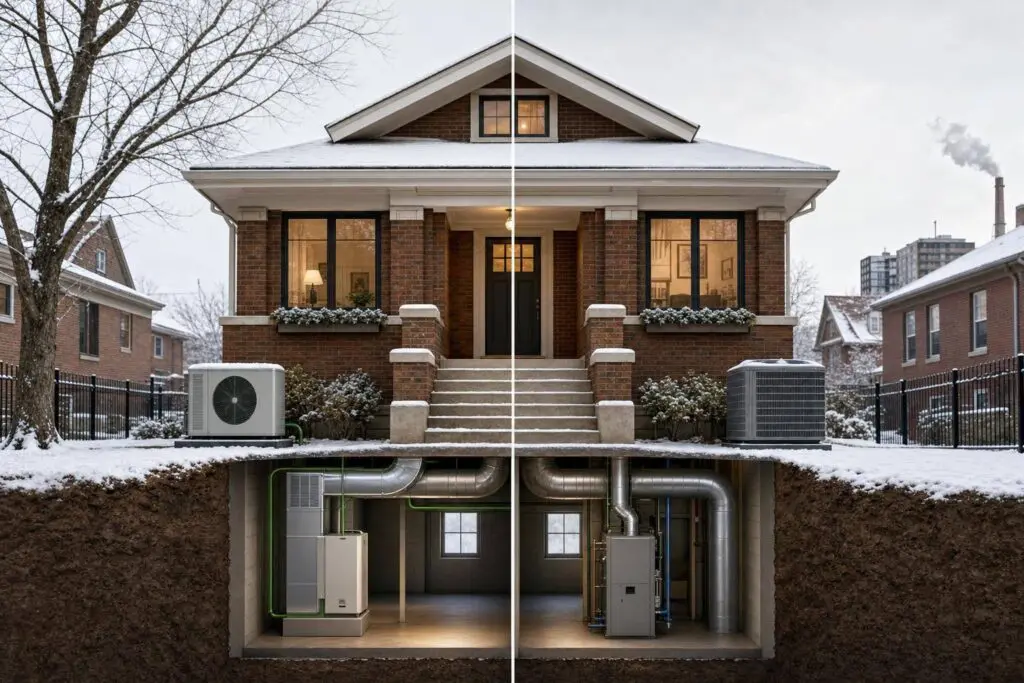
When Chicago plunges into a polar vortex and temperatures drop below zero, furnaces are working overtime to keep homes warm. Natural gas furnaces are the go-to for over 70% of households in the city because they handle extreme cold better than most alternatives. But even the most efficient gas furnaces burn through more fuel once the thermometer dips below -10°F.
Heat pumps, on the other hand, struggle when temperatures drop below 25°F. At that point, they rely on backup electric resistance heating, which significantly drives up electricity costs. A 2023 University of Illinois study found that heat pump users in Chicago saw their winter bills increase by 12% compared to traditional furnace users.
The mechanical strain on HVAC systems during these cold snaps is intense. Rapid temperature drops can cause condensation to freeze, potentially damaging outdoor units and ductwork. And when furnaces restart after periods of inactivity, the sudden thermal stress can crack heat exchangers, leading to costly repairs and even safety risks.
Once winter fades, the focus shifts to summer, bringing a whole new set of challenges for HVAC systems.
Summer Heat, Humidity, and Cooling Expenses
Chicago summers bring relentless heat and heavy humidity, forcing air conditioners to run almost nonstop. When the mercury climbs above 90°F, compressors and fans are pushed to their limits, which increases energy consumption and accelerates wear and tear. During July, the average household in Chicago uses around 1,200 kWh of electricity.
Humidity adds another layer of complexity. Air conditioners not only cool the air but also remove excess moisture. This dual workload leads to significant condensation buildup in drain lines and ductwork. Without regular maintenance, that moisture can cause corrosion or even electrical short circuits. Despite the heavy cooling demands, summer energy costs are generally lower than winter heating expenses. A typical July electricity bill is around $120, while January gas bills average closer to $220.
Temperature Fluctuations and HVAC Wear
Beyond the extremes of winter and summer, Chicago’s spring and fall bring unpredictable temperature swings. These seasonal shifts force HVAC systems to constantly switch between heating, cooling, and dehumidifying modes, which speeds up wear and tear on components.
This frequent cycling can lead to short-cycling, where the system turns on and off too often. Short-cycling puts extra stress on compressors, bearings, and electrical contacts, which shortens the lifespan of the equipment and increases maintenance costs. In Chicago, furnaces typically last 15 to 20 years, while air conditioners tend to have a shorter lifespan of 10 to 15 years.
Financial Impact of Extreme Weather on HVAC Costs
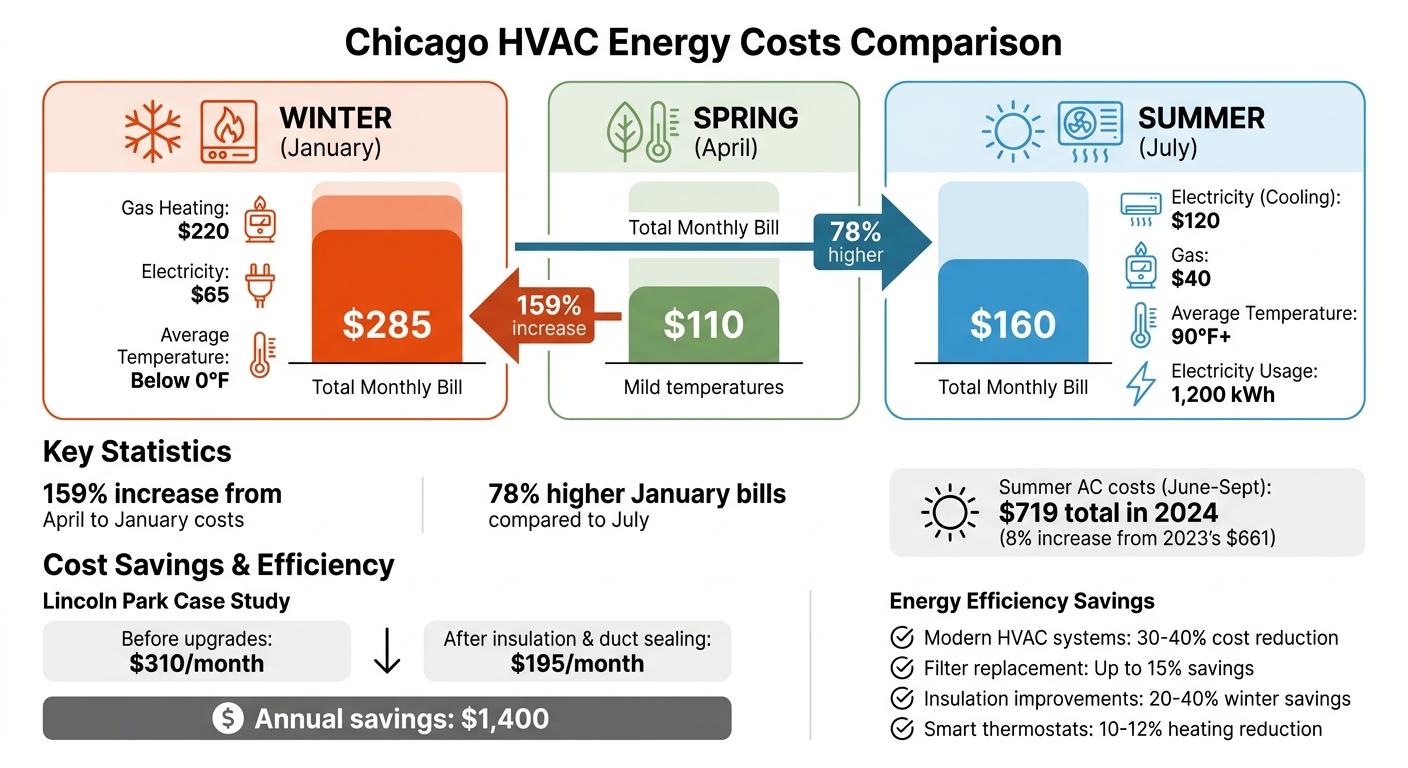
Chicago HVAC Costs by Season: Winter vs Summer Energy Expenses
Energy Consumption During Extreme Weather
In Chicago, extreme weather significantly drives up HVAC energy costs. During frigid cold spells, gas usage skyrockets, pushing heating bills far above normal levels. For instance, in January – when temperatures frequently dip below 0°F – the average household spends $285 on utilities, with $220 allocated to gas heating and $65 to electricity. Compare this to April, when milder temperatures result in a total utility bill of just $110. That’s a 159% jump in costs during the coldest months.
Homes with poor insulation suffer even more. Inadequate insulation and leaky ductwork can lead to gas bills that are nearly twice as high as those of well-insulated homes during extreme cold. A homeowner in Lincoln Park experienced this firsthand in January 2026: after sealing ducts and upgrading attic insulation, her monthly utility bill dropped from $310 to $195, saving her an estimated $1,400 annually. These energy-efficient upgrades are essential for managing costs during harsh weather, reducing the financial strain on both homeowners and businesses.
Cost Increases for Homeowners and Businesses
The surge in energy consumption during extreme weather directly inflates utility bills, creating economic challenges. For instance, summer cooling costs have been steadily rising. In 2024, the average household spent $719 on air conditioning from June through September – an 8% increase compared to the previous year’s $661.
Winter, however, remains the costliest season. January utility bills average $285, which is approximately 78% higher than July’s $160 for a typical Chicago home. This reflects the fact that heating a home from -10°F to 68°F demands far more energy than cooling it from 84°F to 72°F.
The financial strain is even more pronounced for low-income households. These families often spend 37% to 45% less on air conditioning during heat waves – not because they’re more energy-efficient but because they skip cooling altogether to cut costs. Heather Higginbottom, Head of Research, Policy and Insights for Corporate Responsibility at JPMorgan Chase, highlights this disparity:
"Lower-income households will spend less on air conditioning than middle- or higher-income households on high heat days, and essentially just go without cooling their homes as effectively for financial reasons."
Energy-Efficient HVAC Solutions for Chicago Weather
With Chicago’s unpredictable weather and rising energy costs, upgrading your HVAC system isn’t just an option – it’s a necessity.
Variable-Speed HVAC Systems
Switching to a modern HVAC system can cut energy costs by 30% to 40% compared to outdated models. This is especially important in Chicago, where extreme temperature swings and humidity cycles take a toll on older, single-stage systems. Unlike these older setups, newer variable-speed systems are designed to handle rapid changes in temperature and humidity. They’re also better equipped to manage moisture, which can lead to wear and tear in traditional units.
Here’s how they work: instead of running at full blast all the time, variable-speed systems adjust their output to match the actual demand. On mild days, they operate at lower speeds, saving energy while keeping your home comfortable. When temperatures spike or plummet, they ramp up to meet the challenge, avoiding the wasteful on-off cycling typical of older systems. This efficiency is further enhanced when paired with smart thermostat technology.
Smart Thermostats for Energy Optimization
Smart thermostats take energy efficiency to the next level by learning your preferences and adjusting settings based on outdoor conditions. They manage the "delta T" – the difference between your indoor temperature and the weather outside – to optimize performance.
Humidity is a big factor in cooling demands, and smart thermostats are excellent at managing it. Research involving data from over 5,000 homes found that outdoor humidity significantly impacts cooling system performance, highlighting the importance of addressing moisture removal. As You Jeong Kim and colleagues from the University of Illinois School of Architecture put it:
"Our cooling slope analysis highlights the significant impact of outdoor humidity levels, underscoring the need to include latent loads in building energy models."
Pairing a smart thermostat with a variable-speed system ensures your HVAC works smarter, not harder. But even the best systems need regular upkeep to perform their best.
Regular HVAC Maintenance
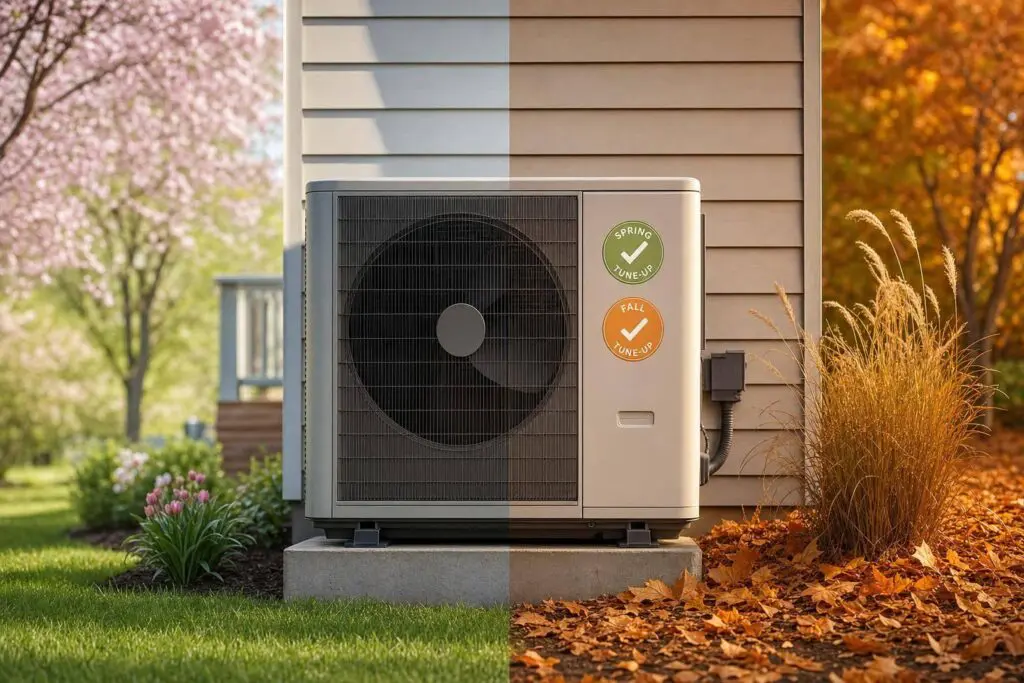
In Chicago, where HVAC systems work overtime, biannual professional maintenance is key. Scheduling service in the spring before cooling season and in the fall before heating season helps catch issues early, ensuring your system runs efficiently when you need it most. Something as simple as replacing an air filter can reduce energy consumption by up to 15%.
During these checkups, technicians clean condensers, inspect ductwork, and calibrate thermostats to prepare for Chicago’s harsh weather. Preventive care like this can even prevent damage, such as frozen condensate in outdoor units during sudden spring freezes. As Hot Cold Air notes:
"If you perform a complete technical service in the spring and in the fall, the system will last several years longer."
Don’t forget monthly filter checks, especially in winter when furnaces are in constant use. Cleaning air ducts every two to three years also improves air circulation and keeps indoor air quality in check. These small steps go a long way in preventing energy waste and costly breakdowns during extreme weather.
Eco Temp HVAC: Solutions for Chicago’s Weather Extremes
Certified Systems for Long-Term Savings
Eco Temp HVAC holds certifications like Mitsubishi Diamond Elite Contractor, Navien Service Specialist, and American Standard Customer Care Dealer. These credentials allow them to offer 12-year warranties while expertly managing Chicago’s unpredictable temperature swings – from a chilly 14°F to a balmy 64°F in no time. This expertise helps homeowners and businesses achieve dependable performance and cost savings, even in a climate as challenging as Chicago’s.
When it comes to heating during the winter, they focus on natural gas furnaces rather than electric heat pumps. Why? Gas furnaces are far more efficient when temperatures dip below 25°F, making them a better choice for Chicago’s frigid winters.
Services for Residential and Commercial Clients
Eco Temp HVAC doesn’t just stop at offering certified systems – they provide a wide range of services for both residential and commercial needs. From installation and repairs to regular maintenance, they cover:
- Air conditioners
- Furnaces
- Heat pumps
- Ductless mini-splits
- Boilers
- Tankless water heaters
They also address air quality concerns with services like duct cleaning and sealing, which are crucial for mitigating freeze-thaw damage to outdoor units. To keep systems running smoothly, they offer maintenance programs with seasonal diagnostics in spring and fall. These checkups help identify and fix worn components before the peak heating or cooling seasons hit.
Local Expertise and 24/7 Service
Eco Temp HVAC serves Chicago and nearby areas, including St. Charles, Bartlett, Lemont, Downers Grove, and Palatine. Their 24/7 emergency service ensures quick responses to critical issues like cracked heat exchangers during sudden cold snaps or dangerously high indoor heat levels during summer heatwaves. This means less downtime and longer system life for their customers.
Their team also keeps a close eye on Chicago’s shifting climate patterns. For instance, they’ve noted that summer nighttime temperatures are rising twice as fast as daytime temperatures, reducing the chance for natural cooling. With this local knowledge, they can recommend and maintain systems that work effectively in Chicago’s evolving weather conditions, ensuring comfort year-round.
Conclusion
The data highlights the pressing need for energy-efficient HVAC solutions in Chicago’s unpredictable climate.
Chicago’s harsh weather places a significant strain on HVAC systems – and wallets. For example, heating costs in January can hit around $285, almost double July’s $160, due to an average household using roughly 800 therms of natural gas.
Frequent temperature shifts also wear out HVAC systems faster. However, upgrading to modern, energy-efficient systems can slash costs by 30%-40% compared to older models. Even small changes can make a big difference. Replacing filters monthly can save up to 15%, while improving attic insulation and sealing ducts can cut winter heating expenses by 20%-40%. Smart thermostat programming adds another layer of savings, reducing heating use by 10%-12%.
Seasonal checkups in spring and fall are another smart move – they help catch worn-out parts before they fail, extending the life of your equipment. As Hot Cold Air puts it:
"Regular maintenance of your HVAC system, timely filter replacement, and inspection of equipment before each season are not just upkeep; they are a guarantee of safety, comfort, and savings"
For Chicago homeowners and businesses, partnering with certified professionals like Eco Temp HVAC ensures your system is ready to handle the region’s demands. With 24/7 availability in Chicago and nearby areas, Eco Temp HVAC provides the expertise needed to maintain comfort and control costs year-round.
FAQs
Why are Chicago winter HVAC bills so much higher than summer bills?
Chicago winters often lead to higher HVAC bills, primarily because most homes rely on natural gas for heating. During the extreme cold, these systems run almost non-stop, significantly increasing energy consumption and costs. On the other hand, summer cooling systems generally use less energy, resulting in lower overall expenses.
Is a heat pump worth it in Chicago’s subzero winters?
Heat pumps can handle Chicago’s subzero winters, but the key is choosing a high-efficiency model built specifically for cold climates. Thanks to advancements in cold-weather technology – often originating in Europe and Asia – these systems now perform much better in extreme conditions. Of course, proper installation and regular maintenance are essential to keep them running reliably during those harsh winter months.
What upgrades cut HVAC costs the most in Chicago homes?
When it comes to cutting HVAC costs in Chicago homes, a few upgrades stand out:
- High-efficiency heat pumps: These systems use less energy to heat and cool your home, making them a smart choice for Chicago’s fluctuating temperatures.
- Improved insulation and windows: By reducing heat loss, better insulation and energy-efficient windows keep your home comfortable while lowering energy bills.
- Smart thermostats: These devices help optimize heating and cooling schedules, so your system works efficiently without wasting energy.
These upgrades are particularly effective in handling the challenges of Chicago’s extreme weather, keeping energy consumption in check year-round.