
Yes, mini-splits can be expanded, but only under specific conditions. The ability to add more indoor units to your system depends on your outdoor unit’s capacity and the number of available connection ports. Here’s what you need to know:
- Multi-Zone Systems: These typically allow expansion if there are unused ports and enough BTU capacity. For example, a 36,000 BTU outdoor unit can support up to five zones.
- Single-Zone Systems: These cannot be expanded. Adding more zones would require installing a separate system.
- Key Factors: Check for capped ports on your outdoor unit, ensure the total BTU load remains within the unit’s capacity, and verify refrigerant and electrical compatibility.
Expanding involves running new refrigerant lines, performing system checks (e.g., leak tests and evacuation), and adding refrigerant. Professional installation is essential to ensure efficiency and prevent performance issues.
Important Considerations:
- Outdoor units have limits on the number of zones and BTU capacity.
- Refrigerant line length and elevation differences must meet manufacturer specifications.
- Electrical upgrades may be needed to handle the extra load.
If your current system is already maxed out or struggles during extreme weather, adding zones may not be feasible. Consulting a certified technician is highly recommended to evaluate your system’s capacity and compatibility.
GREE Multi Minisplit Upgrade! High Efficiency Heat Pump Minisplit
sbb-itb-b5c10b1
Can Mini-Splits Be Expanded? The Short Answer
Yes, mini-splits can be expanded – but only if your outdoor unit is built for it. Most multi-zone outdoor condensers are designed with multiple connection ports, allowing you to add indoor air handlers later. However, your outdoor unit must have both available ports and enough BTU capacity to handle the additional load.
Multi-zone systems are typically designed to accommodate more indoor units than you might initially set up. For instance, a 36,000 BTU outdoor unit can often support up to 5 zones. You could start with just 2 or 3 indoor units and leave room for expansion as needed. To check your system’s potential for expansion, look for capped refrigerant connections on the outdoor unit – these indicate unused ports. This flexibility makes mini-splits a smart option for projects like finishing a basement, converting a garage, or adding climate control to a sunroom. It all comes down to how the system was designed, which directly impacts your options for adding on later.
On the other hand, single-zone systems, which pair one outdoor unit with one indoor unit, are not expandable. These systems lack extra connection ports and additional capacity. If your current system is already fully utilized in terms of ports or BTU output, your only option is to install a separate mini-split system rather than expanding the one you have.
"The manufacturer’s specifications will tell you the maximum number of indoor units your outdoor unit can handle. Sometimes it’s two, sometimes it’s eight." – Total Air
Understanding what your system is capable of is the first step in planning any expansion.
How Mini-Split Expansion Works
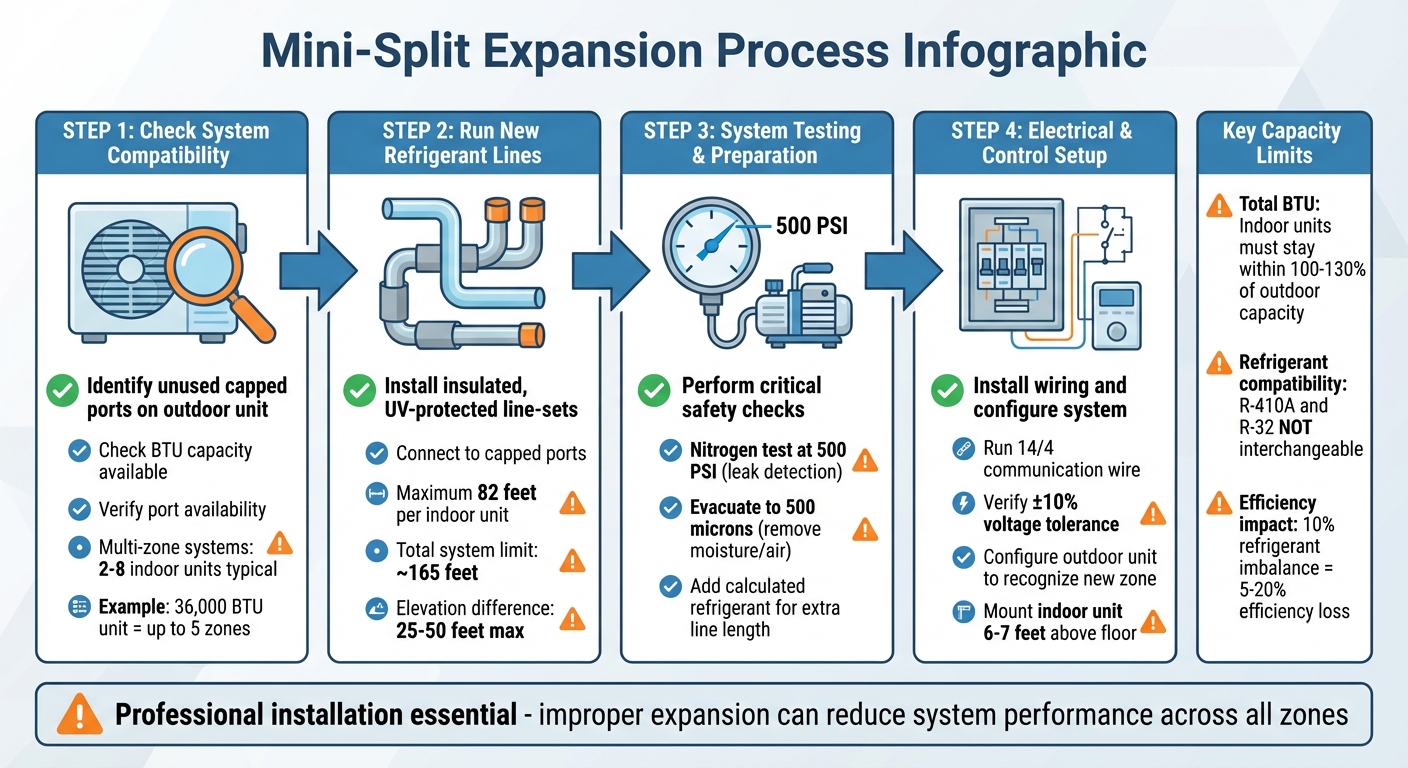
Mini-Split Expansion Process: Steps and Requirements
Expanding a mini-split system involves adding new indoor air handlers to an existing outdoor condenser. This is done using copper refrigerant lines and control wiring, which enable refrigerant flow and heat transfer between the units. Let’s break down the steps for connecting new units and the capacity considerations you’ll need to keep in mind.
Adding Indoor Units to Your System
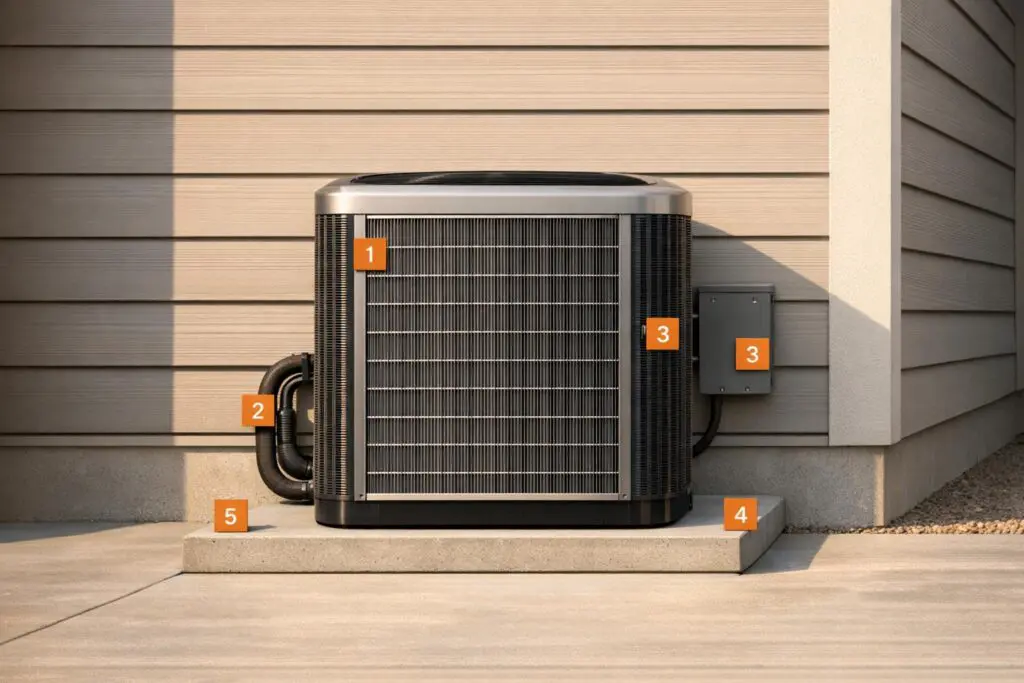
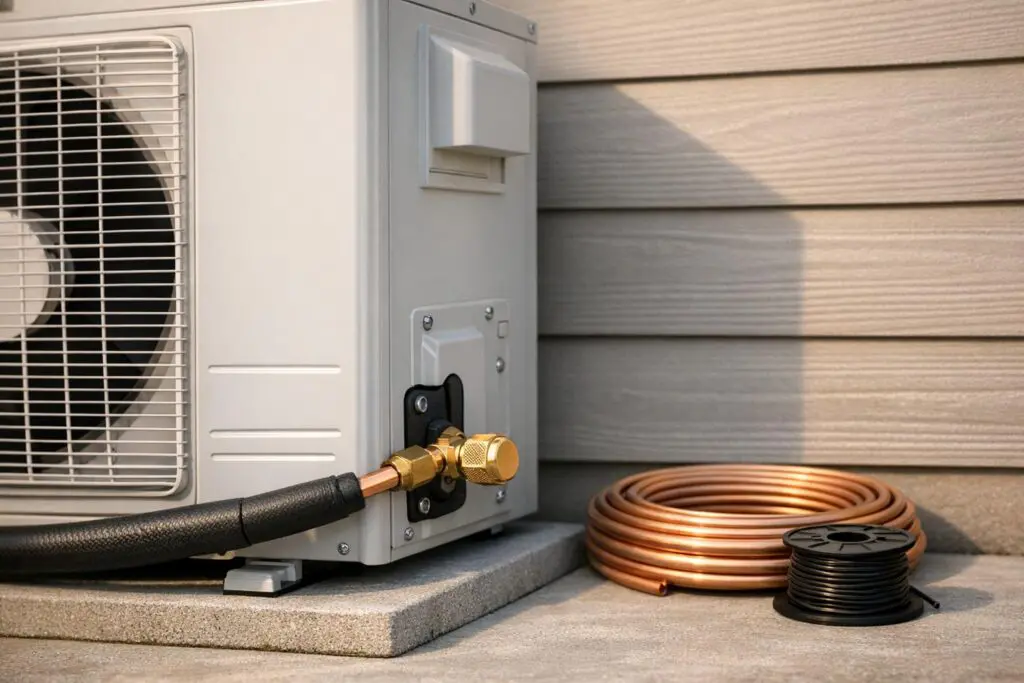
The expansion process starts with identifying unused ports on your outdoor condenser. These capped connections are specifically designed for future zones. When you’re ready to expand, a technician will run new refrigerant lines from these open ports to the new indoor air handler. To ensure efficiency and durability, these new line-sets need to be insulated and UV-protected, especially where they’re exposed to sunlight.
Once the physical connections are in place, the system undergoes a series of steps to ensure it’s ready to operate:
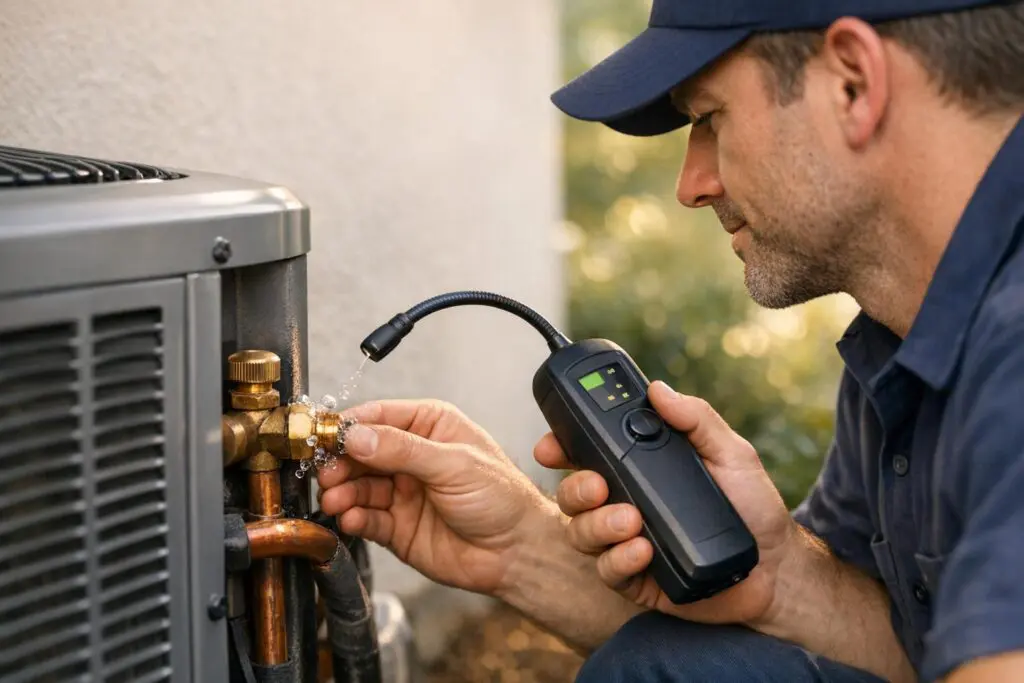
- A 500-psi nitrogen test is performed to check for leaks.
- The system is evacuated to 500 microns to remove moisture and air.
- Additional refrigerant is added, calculated precisely for the extra length of the line-set beyond the factory pre-charge.
Finally, control wiring is installed to connect the new indoor unit to the outdoor condenser. The system is then configured to recognize and communicate with the added zone.
"You can leave those extra ports capped and unused for years – it doesn’t hurt anything. And when you’re ready to expand, you’ve already got the capacity waiting for you." – Chill Mini Splits
Understanding System Capacity
Adding indoor units isn’t just about physical connections; understanding your system’s capacity is equally important. Your outdoor unit has two key limits: the number of available ports and the total BTU capacity. Even if there are open ports, the combined BTU ratings of all connected indoor units must stay within the outdoor unit’s maximum capacity. If this limit is exceeded, the system will throttle performance across all zones to protect itself.
Another important factor is the length of the refrigerant line-sets. Manufacturers typically set strict limits, such as:
- A maximum of 82 feet per indoor unit.
- Around 165 feet total for the entire system.
These restrictions are in place to ensure proper oil return to the compressor and maintain overall efficiency. Staying within these boundaries is crucial for reliable performance and will determine whether expanding your system is the right choice for your setup.
What to Consider Before Expanding Your Mini-Split
If you’re thinking about adding more indoor units to your mini-split system, there are some important factors to weigh. Skipping over these could result in performance issues or expensive fixes later.
Outdoor Unit Capacity Limits
Your outdoor unit has specific physical and capacity limits that determine how much you can expand. Look for capped ports on the unit – these are where new refrigerant lines can connect. Most residential multi-zone systems can handle between two and eight indoor units, with larger systems supporting capacities up to 60,000 BTU/h.
The total BTU capacity of all connected indoor units must stay within the outdoor unit’s rated limits. Manufacturers often allow the combined capacity of indoor units to reach 100% to 130% of the outdoor unit’s rating, assuming not all zones will run at full power simultaneously. However, if your current system already struggles during extreme weather, it might not have the capacity to support additional zones.
Refrigerant Line and System Compatibility
New indoor units need to match the refrigerant type of your existing system. For instance, R-410A and R-32 refrigerants are not interchangeable due to their chemical differences and safety standards. Even small refrigerant imbalances – like an overcharge or undercharge of just 10% – can reduce efficiency by 5–20%.
It’s also essential to check that the new line set diameter matches the manufacturer’s specifications. Elevation differences between units can be a concern too – if these exceed 25–50 feet, it could cause oil to accumulate in the evaporator, starving the compressor of lubrication and leading to potential failure. Once refrigerant compatibility is confirmed, you’ll need to address electrical and placement considerations.
Electrical and Location Requirements
Each new indoor unit requires a dedicated communication wire (usually 14/4 or a manufacturer-specified type) to connect it to the outdoor unit. The existing electrical circuit must also be able to handle the extra load. Mini-split compressors need to operate within ±10% of their rated voltage to avoid damage.
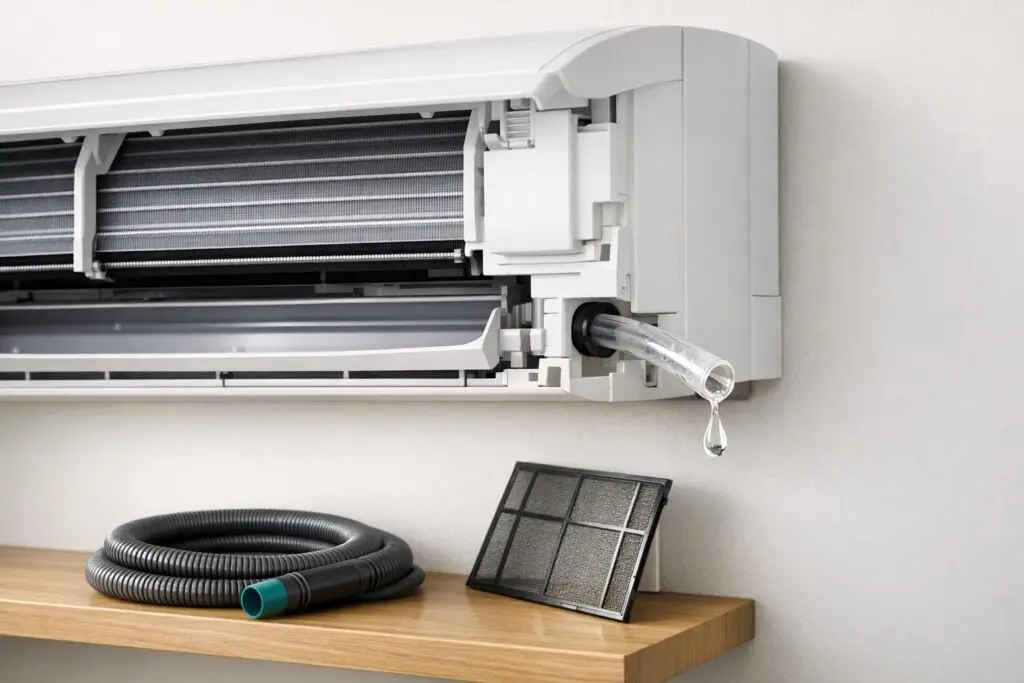
Indoor units should be installed 6–7 feet above the floor for proper airflow. If you’re mounting a unit on an interior wall, you’ll likely need a condensate pump, which adds to both the cost and energy use. It’s also important to ensure that refrigerant line paths stay within the allowable distance limits and that wall penetrations (about 3 inches in diameter) are feasible in your chosen locations. With these technical requirements, a professional evaluation is highly recommended.
Professional Assessment and Installation
Expanding a mini-split system is a job that requires precision and expertise, making it a challenge for most DIYers. A certified technician can perform a Manual J load calculation to ensure the expanded system remains efficient. They’ll also verify that the electrical setup complies with NEC Article 440 standards and that the system is properly charged based on the new configurations.
For reliable results, consider hiring a Mitsubishi Diamond Elite Contractor like Eco Temp HVAC. Their certified technicians are trained to handle capacity, compatibility, and installation requirements. Plus, they offer a 12-year warranty on Mitsubishi products. With service locations across Chicagoland – including Chicago, St. Charles, Bartlett, Lemont, Downers Grove, and Palatine – they provide quick access to professional assessments and installations. This ensures your expanded system performs as expected and delivers the efficiency you need.
Benefits and Drawbacks of Expanding a Mini-Split System
Once you understand how expanding a mini-split system works, it’s important to consider both the advantages and the challenges that come with it.
Benefits of System Expansion
Expanding a mini-split system allows for customized climate control in specific areas like bedrooms, offices, or basements. This means you can heat or cool only the spaces you actively use, which can lead to noticeable energy savings.
If your current system has unused ports, adding zones is often much cheaper than installing an entirely new multi-zone system. As Total Air explains:
"Adding zones to an existing system is usually more cost-effective than installing a completely new multi-zone system, assuming your current setup can handle it. You’re leveraging the outdoor unit you already have, which is typically the most expensive component."
Mini-splits are especially useful for spaces where installing ductwork is impractical, such as home additions, sunrooms, or garage conversions. Plus, many modern systems can operate in extreme cold – some models work even at -13°F, though efficiency does drop in very low temperatures. Another bonus? Adding a separate system can provide a backup; if one unit fails, the other can still maintain comfort.
Potential Drawbacks and Challenges
One of the main challenges is the capacity of the outdoor unit. Multi-zone condensers have a fixed BTU rating and a limited number of ports, typically supporting two to six zones depending on the model. If your system is already maxed out, adding more zones could cause performance to decline across all areas.
Installation can also get tricky. Each new indoor unit requires control wiring and may even necessitate upgrades to your electrical panel. The length of the refrigerant lines is another factor – exceeding the manufacturer’s recommended limits can hurt system efficiency. On top of that, adding more wall-mounted units might not blend well with your home’s decor. And in homes with open floor plans, effective zoning can be difficult. As HVAC specialist Samantha Reyes points out:
"Zoning only works when air actually stays in zones. If your home is all flow and no walls, you’re better off with a larger, single-source system."
Considering these factors carefully will help you decide whether expanding your mini-split system is the right move.
Comparison Table: Pros and Cons of Expansion
| Pros | Cons |
|---|---|
| Customized temperature control for specific rooms | Limited by outdoor unit’s BTU capacity and available ports |
| Cheaper than installing a new multi-zone system | May require electrical upgrades and refrigerant line adjustments |
| No need for ductwork | Longer refrigerant lines can reduce efficiency |
| Energy savings by conditioning only used spaces | Additional wall-mounted units may impact home aesthetics |
| Ideal for home additions or renovations | System performance may drop if already at full capacity |
Conclusion: Is Mini-Split Expansion Right for You?
Yes, mini-splits can handle expansion – but only if your outdoor unit has available ports and enough BTU capacity to support the additional demand. Before adding indoor units, it’s important to review your system’s specifications and check for capped, unused connections on the condenser. Keep in mind, though, that if your system already struggles during peak usage, adding zones could decrease performance.
Expanding your system involves more than just connecting new units. Factors like electrical load, refrigerant line capacity, and overall panel limits must be considered. For older systems, the $5,000 Rule – multiplying the system’s age by the estimated repair cost – can help you determine whether upgrading the entire system might be a better option.
Because of these technical complexities, consulting a professional is key. Expert evaluation is critical. Certified technicians can perform load calculations, confirm compatibility, and ensure the expansion won’t throw off the system’s balance. As Total Air explains:
"The calculations involved in determining whether you can add zones are complex, and the consequences of getting it wrong can be expensive".
If you’re a Chicagoland homeowner thinking about expanding your mini-split system, Eco Temp HVAC offers professional assessments and installation services. As a Mitsubishi Diamond Elite Contractor, they provide a 12-year warranty on Mitsubishi products and serve areas like Chicago, St. Charles, Bartlett, Lemont, Downers Grove, and Palatine with 24/7 availability. Their certified technicians can evaluate your system’s capacity, handle refrigerant adjustments, and ensure the electrical setup meets the requirements.
FAQs
How do I know if my outdoor unit has unused ports?
To identify unused ports on your outdoor unit, look for labeled connections such as Ports A, B, C, D. If some of these ports aren’t linked to indoor units, they could be available for future expansion.
If you’re uncertain, consult the manufacturer’s documentation or have an experienced HVAC technician inspect the unit. They can confirm the availability of ports and provide guidance on adding more indoor units.
What happens if I add zones beyond my system’s BTU capacity?
If you add zones beyond your system’s BTU capacity, it might have trouble heating or cooling all areas effectively. This could result in uneven temperatures, decreased performance, and increased energy usage. To prevent these problems, make sure your system is appropriately sized to handle any future additions.
Will expanding a mini-split require an electrical upgrade?
Expanding a mini-split system often means checking if your current electrical setup can handle the added load. You might need to install a dedicated circuit with the appropriate wire gauge and circuit breaker to ensure everything runs safely and efficiently. It’s a good idea to consult a professional electrician to assess your system and recommend the necessary upgrades.