
Understanding Indoor Air Quality: Why It Matters for Your Home
The air inside your home can have a bigger impact on your health than you might think. Many of us spend hours indoors, often unaware of subtle factors that degrade the atmosphere around us. From pet dander to insufficient airflow, small things add up, potentially causing respiratory issues or allergies over time. That’s where a home air quality evaluation becomes a game-changer.
Hidden Risks in Your Living Space
Older houses might carry unseen challenges like mold in damp corners or dust trapped in aging ventilation systems. Habits like smoking indoors or skipping regular window-opening can worsen the situation. Even something as innocent as owning a furry pet can introduce allergens into your environment. Recognizing these elements is the first step to creating a healthier space.
Simple Steps to Fresher Air
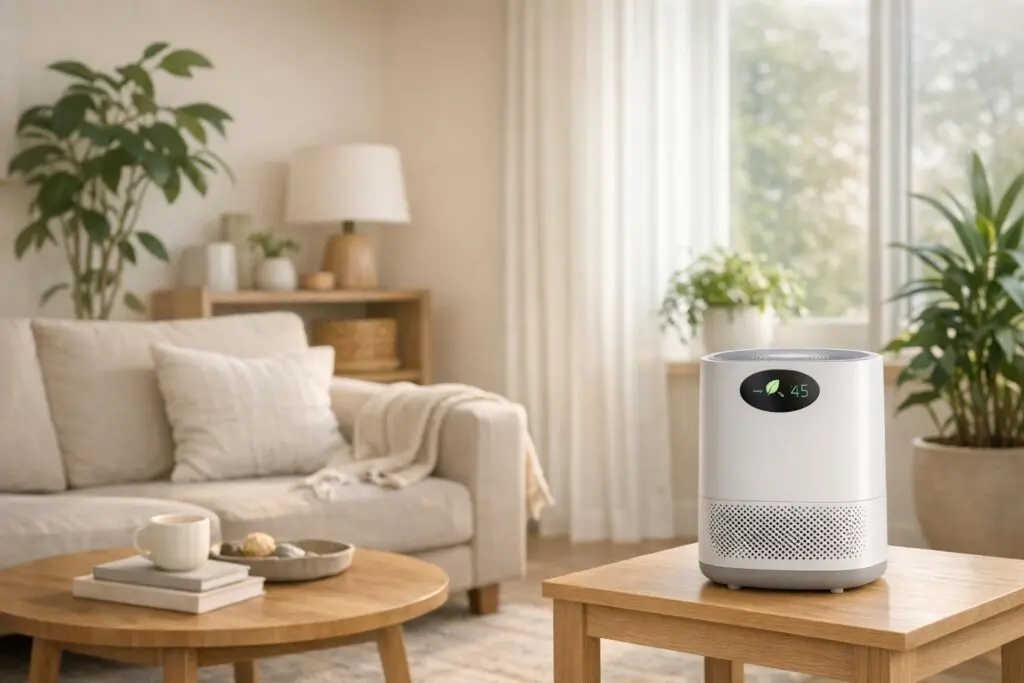
You don’t need fancy equipment to make a difference. Start by assessing potential concerns with tools designed to highlight risks based on your home’s unique traits. From there, small changes—like boosting ventilation or investing in a quality air filter—can transform your indoor experience. Prioritizing the air you breathe every day is a powerful way to protect your well-being.
FAQs
How accurate is this indoor air quality assessment?
This tool provides a general estimate based on common factors that affect air quality, like home age or smoking indoors. It’s a great starting point to identify potential risks, but it’s not a substitute for professional testing. If you’re concerned about specific pollutants or health symptoms, I’d recommend reaching out to an air quality specialist for a detailed analysis with proper equipment.
What can I do to improve my indoor air quality?
There are plenty of practical steps you can take! Start by ventilating your home regularly—open windows when weather permits to let fresh air circulate. If you’ve got pets or notice dust buildup, consider a HEPA air purifier to trap particles. Also, tackle any visible mold or dampness right away, as they’re big contributors to poor air. For long-term improvement, avoid smoking indoors and keep humidity levels in check with a dehumidifier if needed.
Why does home age affect air quality?
Older homes, especially those over 30 years, often have outdated building materials or insulation that can harbor dust, mold, or even trace amounts of harmful substances like asbestos. They might also have less efficient ventilation systems compared to newer builds. That’s why we factor in age—it’s a clue about potential hidden issues that could impact the air you breathe.