
Understanding Indoor Air Quality for a Healthier Home
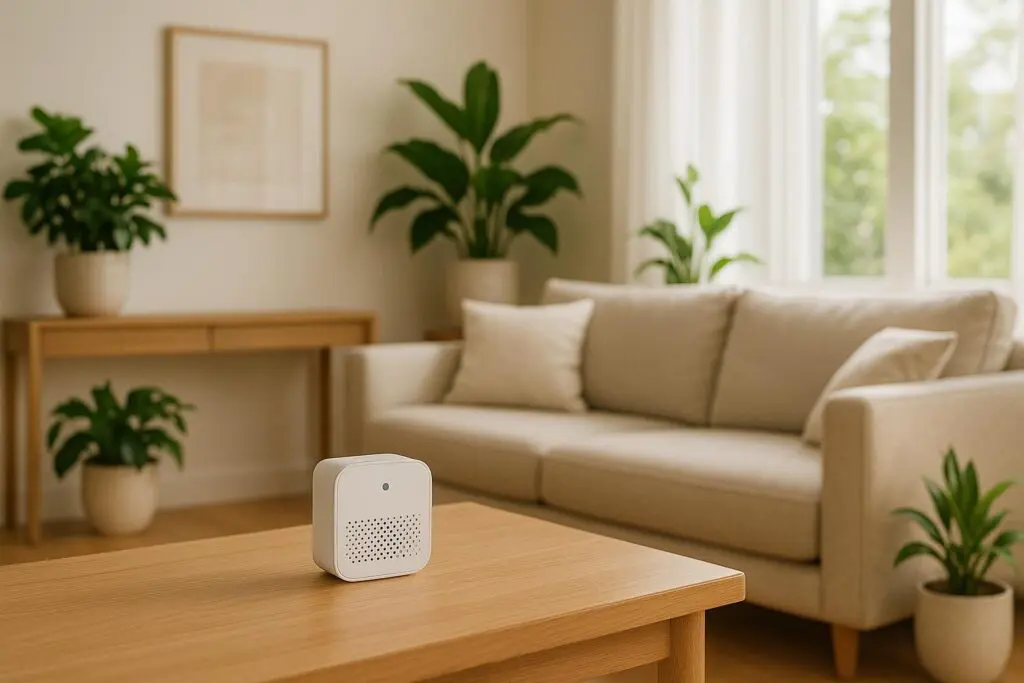
Your home should be a safe haven, but have you ever stopped to think about the air you’re breathing inside? Many of us spend hours indoors without realizing how factors like pets, smoking, or even poor ventilation can affect our well-being. That’s where tools like a home air quality evaluator come in handy—they help you assess your space and take action.
Why Indoor Air Matters
Poor air inside your house can lead to allergies, fatigue, or even long-term health concerns. Things as simple as dust buildup or infrequent window-opening can lower the freshness of your environment. On the flip side, using purifiers or maintaining good habits can transform your space into a breath of fresh air. A quick check of your living conditions can reveal easy fixes, whether it’s cutting down on indoor pollutants or boosting airflow.
Take Control of Your Environment
Curious about your own space? Evaluating the air in your home doesn’t have to be complicated. With just a few clicks, you can uncover hidden issues and get practical advice to create a healthier atmosphere for you and your family. Start today and breathe a little easier tomorrow.
FAQs
How accurate is the Home Air Quality Score Analyzer?
Our tool provides a solid estimate based on common factors affecting indoor air, like ventilation and smoking habits. It’s not a replacement for professional testing with sensors, but it’s a great starting point to identify potential issues. We’ve designed the scoring system using research on air quality impacts, so you’re getting a reliable snapshot of your home environment. If you’re concerned about specific pollutants, consider a detailed test.
What can I do to improve my air quality score?
It depends on your inputs, but small changes often make a big difference. If your score is low due to poor ventilation, try opening windows daily or using exhaust fans. If smoking indoors is a factor, creating a no-smoking rule inside can boost your score fast. Adding an air purifier or houseplants can also help. Our tool will give you specific tips after calculating your results, so you’ll know exactly where to start.
Does having pets always lower my air quality score?
Not necessarily! Pets can impact air quality due to dander and fur, which might trigger allergies or linger in the air. But if you clean regularly, groom your pets, and use an air purifier, the effect can be minimal. Our tool factors in pets as one piece of the puzzle, alongside other habits like ventilation. So, don’t worry—having a furry friend doesn’t mean your score will tank.