
Optimize Your Home with a Heat Pump Efficiency Tool
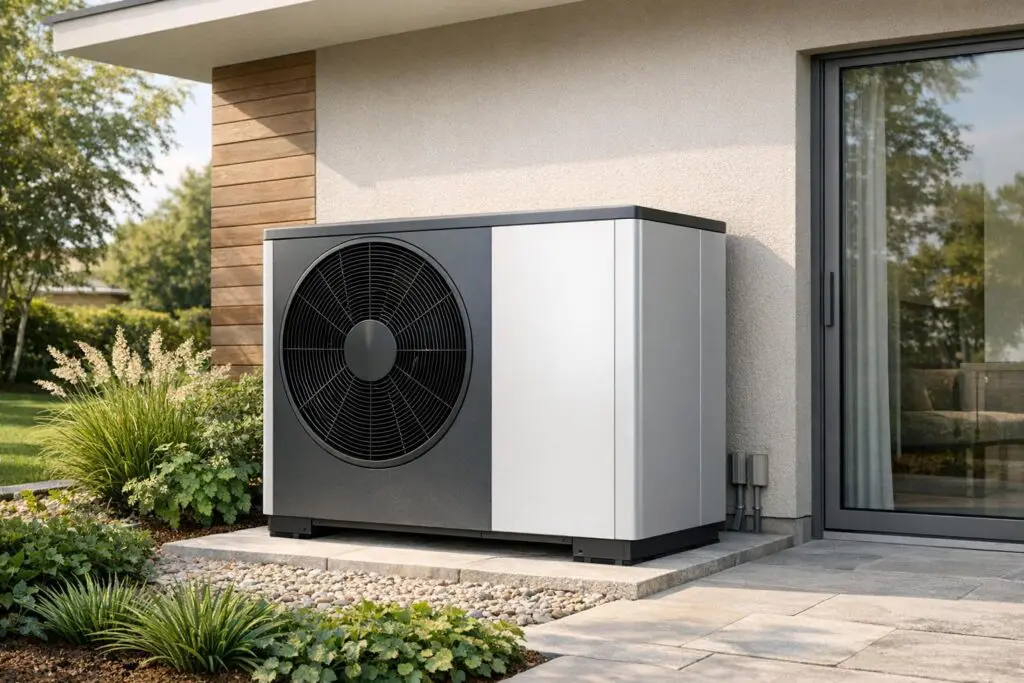
If you’re looking to cut energy costs and make your home more sustainable, understanding your heating and cooling system’s performance is a fantastic starting point. A heat pump efficiency analyzer can reveal how well your current setup is working and whether an upgrade might save you money over time. These systems, whether air-source or ground-source, vary widely in performance based on factors like local weather and equipment ratings.
Why Efficiency Matters for Your Heating System
Heating and cooling often account for a huge chunk of household energy bills—sometimes up to 50%! By evaluating your setup with a tool designed to assess seasonal performance metrics, you can pinpoint inefficiencies. For instance, older units with lower SEER or HSPF ratings might be costing you more than necessary, especially in extreme climates. A quick analysis can show you potential savings, sometimes hundreds of dollars a year, just by switching to a model better suited to your needs. Plus, modern systems often come with eco-friendly perks, reducing your carbon footprint. Take a moment to explore how small changes to your home’s energy setup can lead to big rewards.
FAQs
What’s the difference between air-source and ground-source heat pumps?
Great question! Air-source heat pumps pull heat from the outside air, even in chilly weather, and are generally more affordable to install. Ground-source, or geothermal, systems draw heat from the ground, which stays at a more stable temperature year-round. That makes them more efficient—often 20-30% better—but they come with a higher upfront cost due to the underground setup. Your choice often depends on budget, space, and climate.
How does climate affect my heat pump’s efficiency?
Climate plays a big role. In colder areas, air-source heat pumps have to work harder to extract heat from frigid air, losing about 10-20% efficiency compared to moderate zones. Ground-source systems are less impacted since underground temps don’t swing as much. Hot climates can also strain cooling performance if your system isn’t sized right. Our tool factors this in to give you a realistic efficiency score.
How much can I save by upgrading my heat pump?
It depends on your current system’s ratings and energy costs, but here’s the gist: for every 2-point increase in SEER (cooling efficiency), you could cut your bill by 10-15%. If your monthly bill is $200, that’s $20-30 saved! Upgrading an old unit with low ratings to a modern, high-efficiency model could make an even bigger dent. Our analyzer crunches the numbers for your specific setup.