
Save Big with Energy-Efficient Upgrades
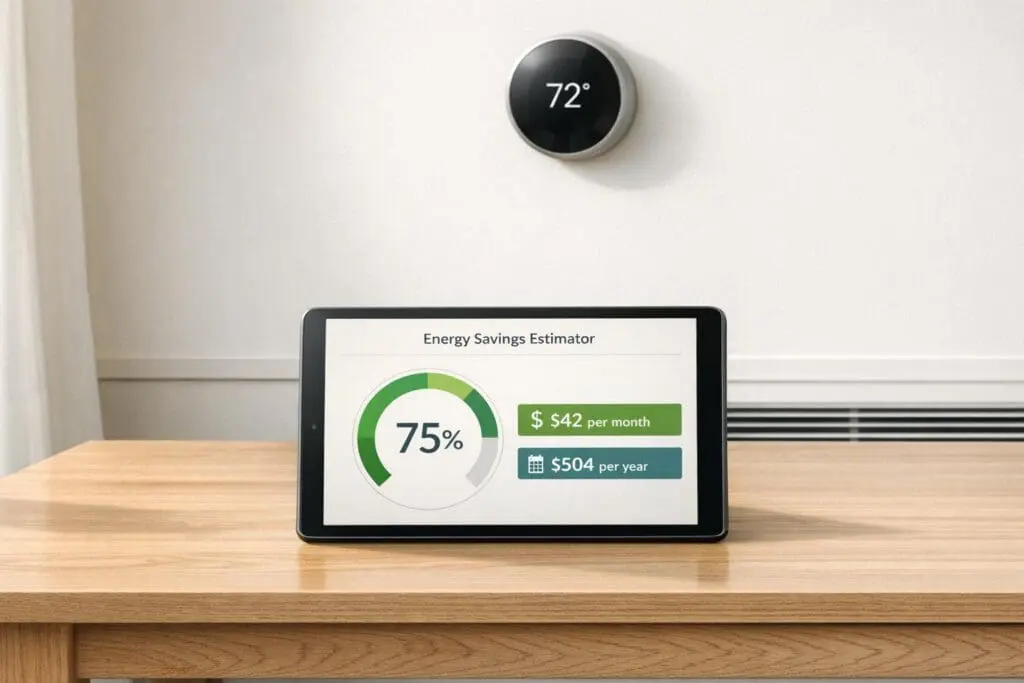
If you’re tired of watching your energy bill climb every month, it might be time to consider upgrading your home systems. An Energy Bill Savings Estimator can help you figure out just how much you could save by switching to modern, efficient HVAC units or appliances like water heaters. The process is simple, and the potential cost reductions are often eye-opening.
Why Efficiency Matters
Older systems, especially those over a decade old, tend to waste a significant amount of energy—sometimes up to 30% more than newer models. That inefficiency hits your wallet hard. By using a tool to calculate potential savings, you can see the difference a high-efficiency system could make for your household budget. Whether it’s a new air conditioning unit with a better SEER rating or a water heater with an improved EF score, these upgrades often pay for themselves in just a few years.
Take Control of Your Costs
Beyond the immediate savings, modern systems also reduce your carbon footprint, which is a win for the planet. Curious about the numbers for your home? Try estimating your reduced energy expenses today and take the first step toward a more affordable, sustainable lifestyle.
FAQs
How accurate are the savings estimates from this tool?
Our estimator gives a solid ballpark figure based on typical efficiency losses in older systems (around 20-30% for units over 10 years old) and the improved ratings of new ones. It’s not exact since actual savings depend on usage patterns, local energy rates, and other factors, but it’s a great starting point to understand potential cost reductions. For a precise quote, you might want to consult with a local contractor who can assess your home.
What’s a typical payback period for energy-efficient upgrades?
Most upgrades, like a new HVAC or water heater, have a payback period of 3-5 years, depending on the system cost and your current energy expenses. That means after a few years, the savings on your bill will cover the upfront investment. Our tool includes a general note on this, but keep in mind that higher initial costs or lower usage might stretch that timeline a bit.
Why do older systems cost more to run?
As systems age, they lose efficiency—think of it like a car that guzzles more gas over time. Components wear out, and older tech just wasn’t built to the same energy standards as today’s models. A 15-year-old HVAC, for instance, might waste 25-30% more energy than a new unit with a high SEER rating. That’s why upgrading can make such a big dent in your monthly bill!