

Frequently Asked Questions About Commercial Geothermal Timelines
What Chicago-area business owners ask about how long commercial geothermal projects take, what drives the schedule, and how installation fits around day-to-day operations.
Plan on 3 to 6 weeks from site assessment to a running system. The typical breakdown: 1-2 weeks for the consultation and site evaluation, 2-4 weeks for permitting and approvals, 4-7 days to install the ground loops, 2-3 days for the heat pump installation and connections, and 1-2 days of testing and commissioning. Residential systems go in faster — usually 3-5 days — because commercial projects add load complexity, permitting, and larger loop fields.
Permitting, almost every time. The physical work — drilling or trenching the loop field and setting the heat pump — is measured in days, but municipal approvals run 2-4 weeks and can stretch longer depending on the jurisdiction and whether zoning or environmental review applies. Starting the paperwork early is the single biggest thing that keeps a project on schedule, which is why it's the first phase we begin after the site assessment.
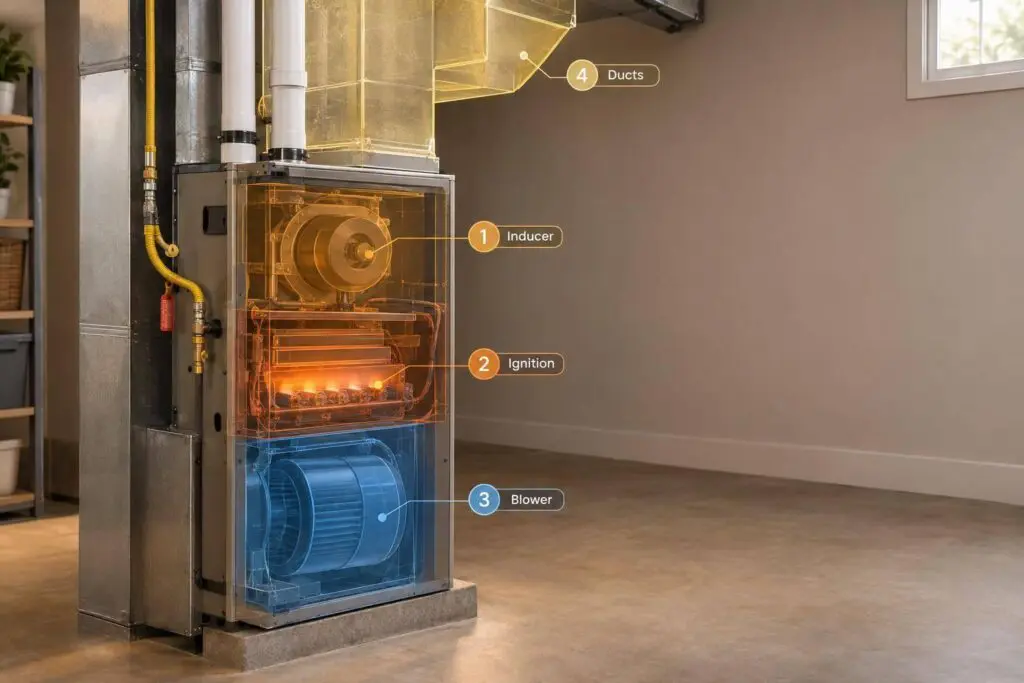
Less than most owners expect. The loop field work happens outside — drilling rigs or trenching equipment on the property, not inside your building. The indoor portion, connecting the heat pump and tying into ductwork and electrical, is typically 2-3 days and can often be scheduled around your operating hours or a slow period. If your existing system still runs, it stays on until changeover, so you're not going without heating or cooling for weeks.
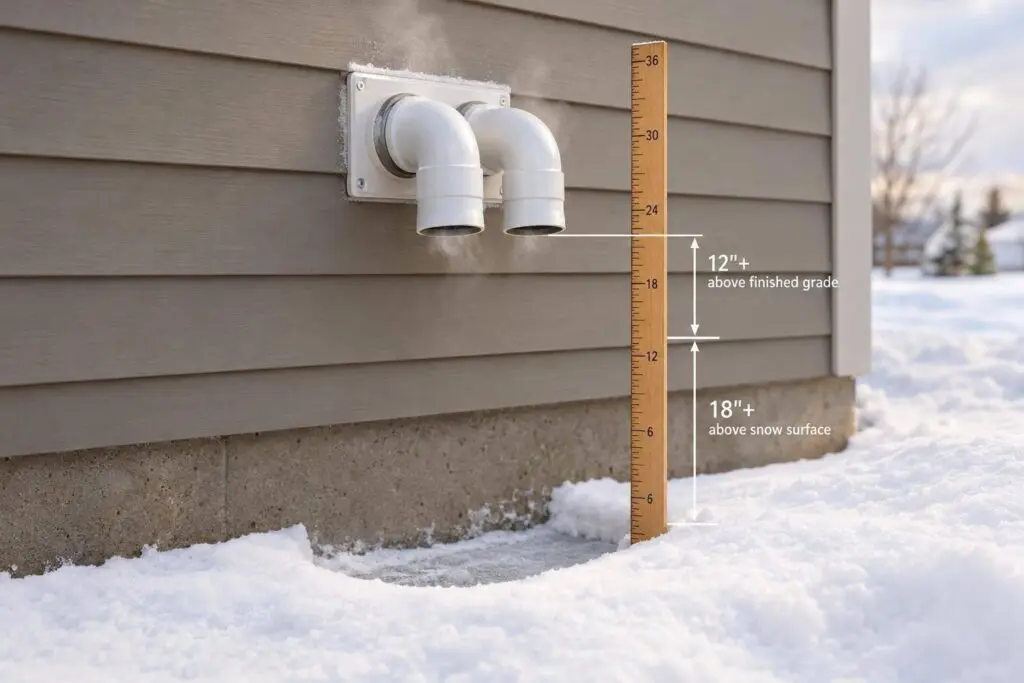
Often, yes — vertical borehole drilling can proceed in most winter conditions because the rig works below the frost line. Horizontal trenching is the weather-sensitive method, since frozen ground slows excavation and site restoration. If your project timeline lands in winter, a vertical loop design or scheduling the loop field ahead of the freeze keeps things moving. It's one of the factors we work through during the site assessment.
For a small commercial project, both typically land inside the 4-7 day loop field window, but they get there differently. Horizontal trenching moves fast when there's open land and cooperative weather; frozen or saturated ground slows it down. Vertical drilling has a steadier pace — the rig works one borehole at a time regardless of season — and needs only a compact footprint, which is why it's the common choice on tight commercial lots. Which loop type fits your property, and what each costs, is covered on our geothermal heating service page and settled during the site assessment.
Expect local building and mechanical permits, plus compliance with zoning and environmental standards for the loop field — requirements vary by municipality, which is why the permitting phase is budgeted at 2-4 weeks in the project timeline. This is handled as part of the project rather than something you need to navigate yourself, and it runs in parallel with equipment lead times so it rarely adds days beyond the approval window itself.
Days, not weeks. The buried loop field stays in service for decades and is reused, so when the indoor heat pump eventually needs replacement there's no drilling, no trenching, and no new permitting cycle for the ground work — the job is comparable to the original indoor phase: roughly 2-3 days to swap the unit, reconnect, and commission. That's the structural advantage of geothermal as a second-generation investment: the slow, expensive part of the first project never has to happen again.
Usually in your favor. If the building already has hydronic distribution — radiant floors, fan coils, or boiler piping — the delivery side of the system stays, and the indoor phase focuses on the heat source swap and controls rather than new ductwork. Hybrid setups that keep the boiler for peak demand add some commissioning and controls time, but that's measured in days. Buildings needing all-new distribution are the ones where the indoor phase grows meaningfully.